How a Podiatrist Diagnoses and Treats Morton’s Neuroma

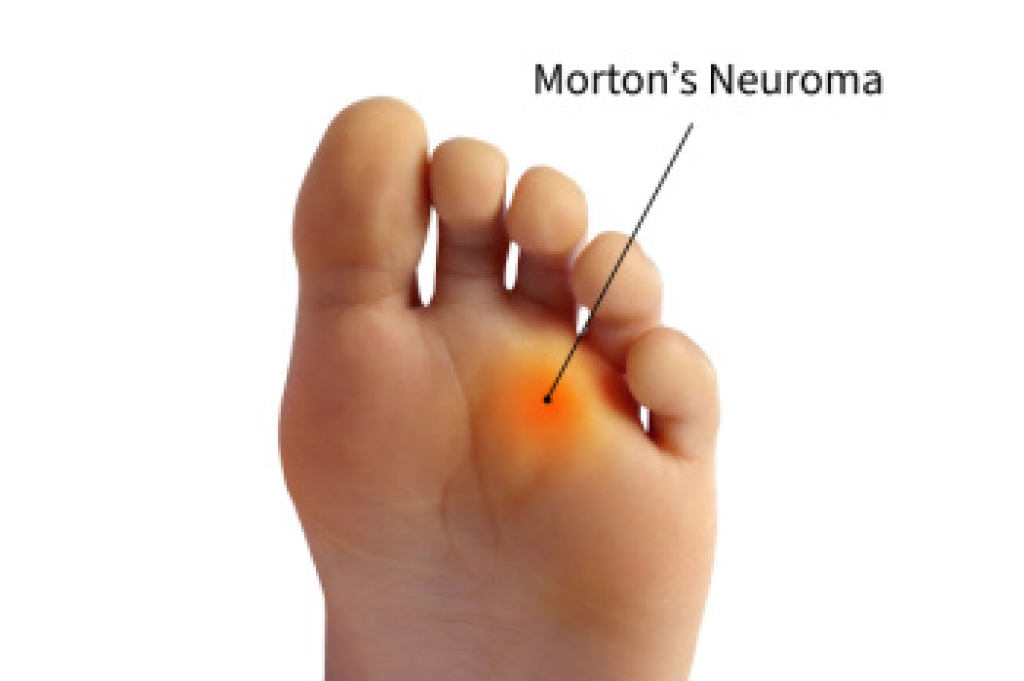
Morton’s neuroma develops when tissue surrounding a nerve between the toes becomes thicker because of repeated pressure or irritation. The problem usually affects the space between the third and fourth toes. As the tissue thickens, it squeezes the nerve and creates pain. Many people describe the feeling as though they are standing on a small pebble or have a fold in their sock. Burning pain, tingling, and numbness are also common. Symptoms usually become worse while walking or wearing tight, narrow shoes. Removing the shoes can bring temporary relief, but discomfort frequently returns when pressure on the nerve continues. Some people notice pain even while resting after a busy day.

Several factors increase the risk of Morton’s neuroma. Shoes that squeeze the toes place extra pressure on the nerve. High-heeled shoes can also increase stress on the front of the foot. Certain foot shapes, like flat feet or high arches, can change the way pressure is spread across the foot. A podiatrist diagnoses the condition by discussing symptoms and carefully examining the foot. Gentle pressure between the toes can help locate the irritated nerve. An ultrasound or MRI scan can help confirm the diagnosis and guide treatment decisions when a clearer view of the affected area is needed.

A podiatrist creates a treatment plan that reduces pressure on the affected nerve and improves comfort. Treatment includes shoes with a wide toe area, custom orthotics, and steroid injections. These options can reduce irritation and make walking more comfortable. When symptoms continue despite treatment, surgery to remove the affected nerve can provide lasting relief. Early diagnosis helps prevent symptoms from becoming more disruptive and allows treatment to begin before pain limits daily activities. Prompt care also helps patients stay active with greater comfort and confidence. If you have symptoms of Morton’s neuroma, it is suggested that you schedule an appointment with a podiatrist for a diagnosis and appropriate treatment.

Morton’s neuroma is a very uncomfortable condition to live with. If you think you have Morton’s neuroma, contact one of our podiatrists of Columbus Podiatry & Surgery. Our podiatrists will attend to all of your foot care needs and answer any of your related questions.  

Morton’s Neuroma

Morton's neuroma is a painful foot condition that commonly affects the areas between the second and third or third and fourth toe, although other areas of the foot are also susceptible. Morton’s neuroma is caused by an inflamed nerve in the foot that is being squeezed and aggravated by surrounding bones.

What Increases the Chances of Having Morton’s Neuroma?

  • Ill-fitting high heels or shoes that add pressure to the toe or foot
  • Jogging, running or any sport that involves constant impact to the foot
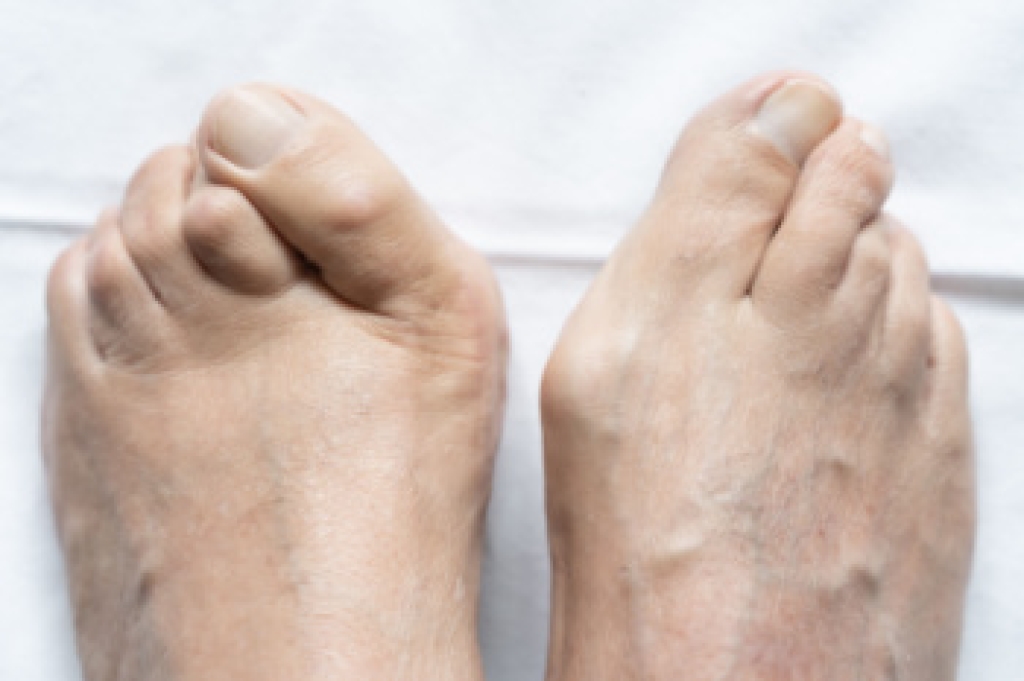
  • Flat feet, bunions, and any other foot deformities

Morton’s neuroma is a very treatable condition. Orthotics and shoe inserts can often be used to alleviate the pain on the forefront of the feet. In more severe cases, corticosteroids can also be prescribed. In order to figure out the best treatment for your neuroma, it’s recommended to seek the care of a podiatrist who can diagnose your condition and provide different treatment options.

If you have any questions, please feel free to contact our office located in Columbus, OH . We offer the newest diagnostic and treatment technologies for all your foot care needs.

Read more about Morton's Neuroma

Running Injuries That Affect the Foot and Ankle

Foot and ankle pain while running is often the result of overuse injuries. These occur when repetitive stress exceeds the body’s ability to recover. The foot and ankle absorb significant impact with each step, making them vulnerable to strain and inflammation. Recognizing the definition of running related injuries can help individuals take preventive measures and maintain consistent activity levels without discomfort.

Symptoms can vary depending on the condition, but often include localized pain, swelling, and reduced mobility. Some runners experience a dull ache that intensifies with activity, while others feel sharp pain during specific movements. Risk factors include over-training, wearing worn-out shoes, and having biomechanical imbalances like flat feet or high arches. Inadequate recovery time between runs can also increase the likelihood of injury. These factors contribute to several common types of foot and ankle conditions seen in runners.


Plantar fasciitis involves inflammation of the plantar fascia and is typically felt as heel pain that is worse after periods of rest. Achilles tendinitis causes discomfort along the back of the ankle and may feel tight or sore during movement. An ankle sprain results from a sudden twist or roll of the joint, leading to pain, swelling, and instability. Additionally, a stress fracture is a small break in the bone that develops gradually and produces a persistent, localized pain that worsens with weight bearing. Each condition affects runners differently but is linked to repetitive strain and mechanical stress.


Preventing foot and ankle pain requires a balanced approach that includes wearing proper footwear, gradual increases in training, and attention to body mechanics. Stretching, strengthening, and rest are important components of injury prevention and recovery. Awareness of risk factors allows runners to make informed decisions about their training routines. If you enjoy running and have developed foot or ankle pain, it is suggested that you consult a podiatrist for effective treatment solutions and prevention tips.

Ankle and foot injuries are common among athletes and in many sports. They can be caused by several problems and may be potentially serious. If you are feeling pain or think you were injured in a sporting event or when exercising, consult with one of our podiatrists from Columbus Podiatry & Surgery. Our podiatrists will assess your condition and provide you with quality foot and ankle treatment.

Common Injuries

The most common injuries that occur in sporting activities include:

  • Achilles Tendonitis
  • Achilles Tendon Rupture
  • Ankle Sprains
  • Broken Foot
  • Plantar Fasciitis
  • Stress Fractures
  • Turf Toe

Symptoms

Symptoms vary depending upon the injury and in some cases, there may be no symptoms at all. However, in most cases, some form of symptom is experienced. Pain, aching, burning, bruising, tenderness, tightness or stiffness, sensation loss, difficulty moving, and swelling are the most common symptoms.

Treatment

Just as symptoms vary depending upon the injury, so do treatment options. A common treatment method is known as the RICE method. This method involves rest, applying ice, compression and elevating the afflicted foot or ankle. If the injury appears to be more serious, surgery might be required, such as arthroscopic or reconstructive surgery. Lastly, rehabilitation or therapy might be needed to gain full functionality in the afflicted area. Any discomfort experienced by an athlete must be evaluated by a licensed, reputable medical professional.  

If you have any questions please contact our office located in Columbus, OH . We offer the newest diagnostic and treatment technologies for all your foot and ankle needs.
Read more about Sports Related Foot and Ankle Injuries

Connect With Us

Advanced Podiatric Procedures & Services in the Franklin County, OH: Columbus (Dublin, Hilliard, Gahanna, Worthington, Westerville, New Albany) and Delaware County, OH: Powell, Lewis Center, Sunbury, Delaware areas