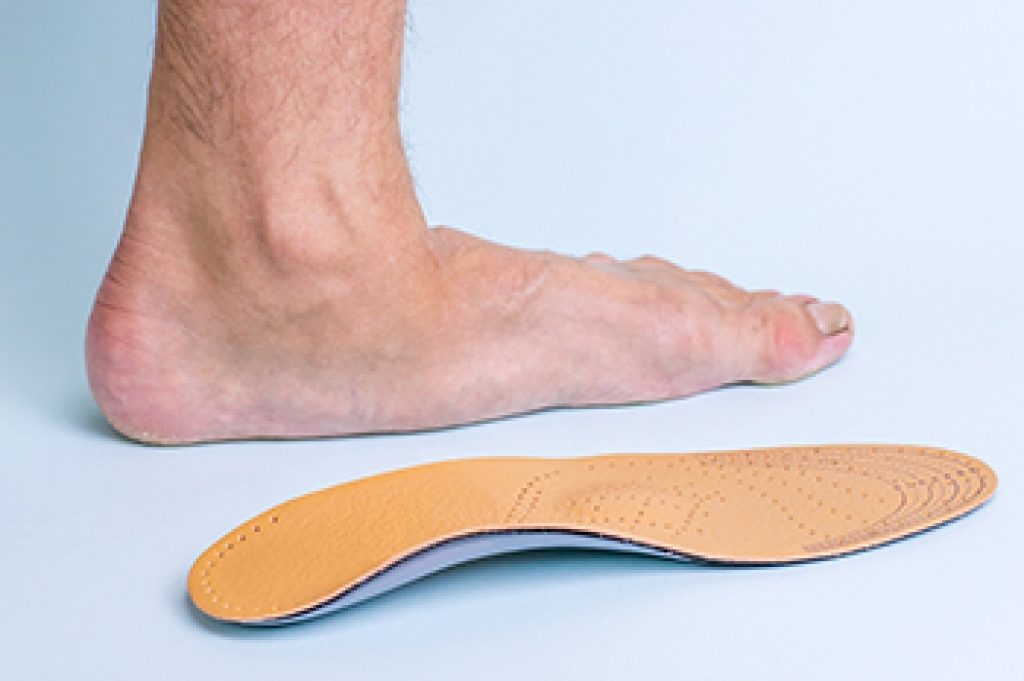
Flat feet happen when the arches flatten or remain low while standing. Some people have no symptoms, while others develop foot pain after activity. Symptoms can include aching along the arch, swelling near the inside of the ankle, and uneven shoe wear. Risk factors include aging, pregnancy, and injuries. Flat feet can also develop from stretched ligaments, tendon problems, or changes in foot structure.
Genetics can play an important role in flat feet. Some people inherit naturally low arches. Others develop acquired flat feet after injury or changes involving the posterior tibial tendon. Footwear that lacks proper support can increase discomfort. A podiatrist will review your symptoms and history, examine your feet while standing and walking, and check your shoes for wear patterns. Imaging tests may be recommended when a bone or joint problem needs closer evaluation.
Orthotics can improve foot support by redistributing pressure and guiding the feet toward a comfortable position. For flexible flat feet, prefabricated orthotics may provide cushioning and arch support. Custom orthotics may be considered when symptoms persist or precise correction is needed. A podiatrist may recommend custom devices based on your foot shape and activity level. Treatment may also include wearing supportive shoes, activity changes, and gradual orthotic use. Follow-up visits help assess comfort and make adjustments.
Healing flat feet depends on the underlying cause and severity. A podiatrist may identify the source of pain, recommend appropriate support, and monitor your progress. Severe cases may require additional treatment. The goal is to reduce strain, improve comfort, and support healthy movement. If painful flat feet are affecting daily activities and you want to learn whether orthotics may help, it is suggested that you consult a podiatrist who can provide you with a personalized treatment plan for lasting foot comfort.
If you are having discomfort in your feet and would like to try orthotics, contact one of our practitioners from Columbus Podiatry & Surgery. Our practitioners can provide the care you need to keep you pain-free and on your feet.
What Are Orthotics?
Orthotics are inserts you can place into your shoes to help with a variety of foot problems such as flat feet or foot pain. Orthotics provide relief and comfort for minor foot and heel pain but can’t correct serious biomechanical problems in your feet.
Over-the-Counter Inserts
Orthotics come in a wide variety of over-the-counter inserts that are used to treat foot pain, heel pain, and minor problems. For example, arch supports can be inserted into your shoes to help correct overarched or flat feet, while gel insoles are often used because they provide comfort and relief from foot and heel pain by alleviating pressure.
Prescription Orthotics
If over-the-counter inserts don’t work for you or if you have a more severe foot concern, it is possible to have your podiatrist prescribe custom orthotics. These high-quality inserts are designed to treat problems such as abnormal motion, plantar fasciitis, and severe forms of heel pain. They can even be used to help patients suffering from diabetes by treating foot ulcers and painful calluses and are usually molded to your feet individually, which allows them to provide full support and comfort.
If you are experiencing minor to severe foot or heel pain, it’s recommended to speak with your podiatrist about the possibilities of using orthotics. A podiatrist can determine which type of orthotic is right for you and allow you to take the first steps towards being pain-free.
If you have any questions, please feel free to contact our office located in Columbus, OH . We offer the newest diagnostic and treatment technologies for all your foot care needs.
