Risk Factors for Falling in Winter

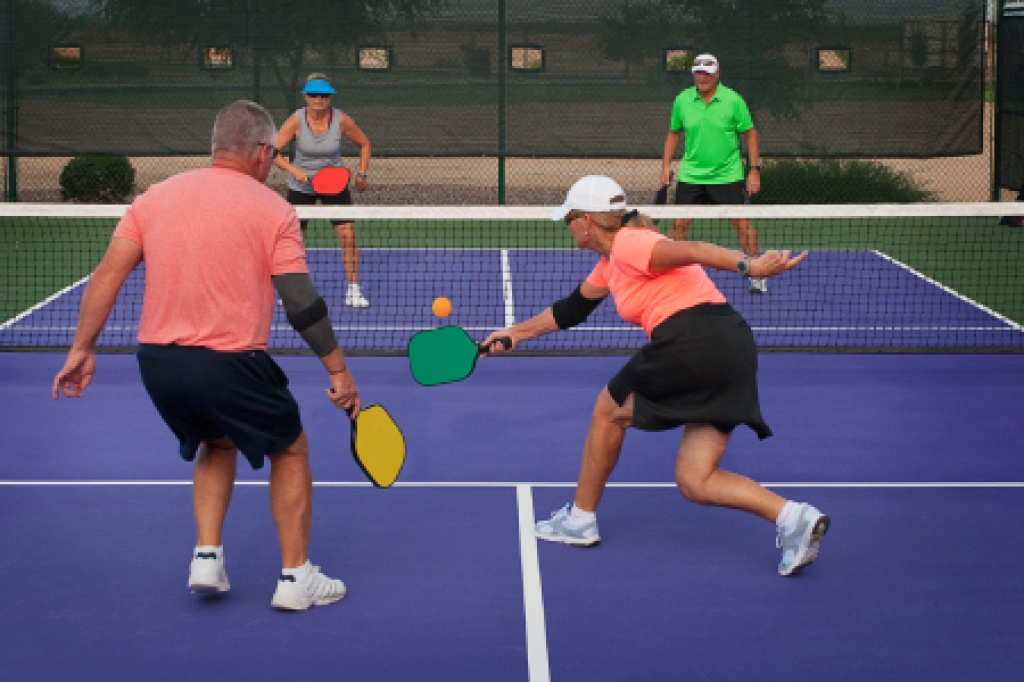
Winter conditions increase the risk of slipping when feet lose traction on icy or wet surfaces, making footwear choices and foot function especially important. Shoes with firm soles, deep tread, and a stable heel help the feet grip the ground and limit ankle rolling, while worn shoes raise the chance of imbalance. Foot shape, reduced sensation in the toes, and stiffness in the ankles can affect balance, especially with age. A podiatrist can evaluate gait, check ankle motion, and identify problems like nerve changes or arthritis that interfere with stability. Treatment can focus on improving foot alignment, managing pain, and addressing deformities that limit safe walking, with surgery considered when structural problems prevent support. If you are at risk for falls, it is suggested that you make an appointment with a podiatrist for a diagnosis and options for prevention.

Preventing falls among the elderly is very important. If you are older and have fallen or fear that you are prone to falling, consult with one of our podiatrists from Columbus Podiatry & Surgery. Our podiatrists will assess your condition and provide you with quality advice and care.

Every 11 seconds, an elderly American is being treated in an emergency room for a fall related injury. Falls are the leading cause of head and hip injuries for those 65 and older. Due to decreases in strength, balance, senses, and lack of awareness, elderly persons are very susceptible to falling. Thankfully, there are a number of things older persons can do to prevent falls.

How to Prevent Falls

Some effective methods that older persons can do to prevent falls include:

  • Enrolling in strength and balance exercise program to increase balance and strength
  • Periodically having your sight and hearing checked
  • Discuss any medications you have with a doctor to see if it increases the risk of falling
  • Clearing the house of falling hazards and installing devices like grab bars and railings
  • Utilizing a walker or cane
  • Wearing shoes that provide good support and cushioning
  • Talking to family members about falling and increasing awareness

Falling can be a traumatic and embarrassing experience for elderly persons; this can make them less willing to leave the house, and less willing to talk to someone about their fears of falling. Doing such things, however, will increase the likelihood of tripping or losing one’s balance. Knowing the causes of falling and how to prevent them is the best way to mitigate the risk of serious injury.  

If you have any questions, please feel free to contact our office located in Columbus, OH . We offer the newest diagnostic and treatment technologies for all your foot care needs.

Read more about Falls Prevention

Corns and Calluses

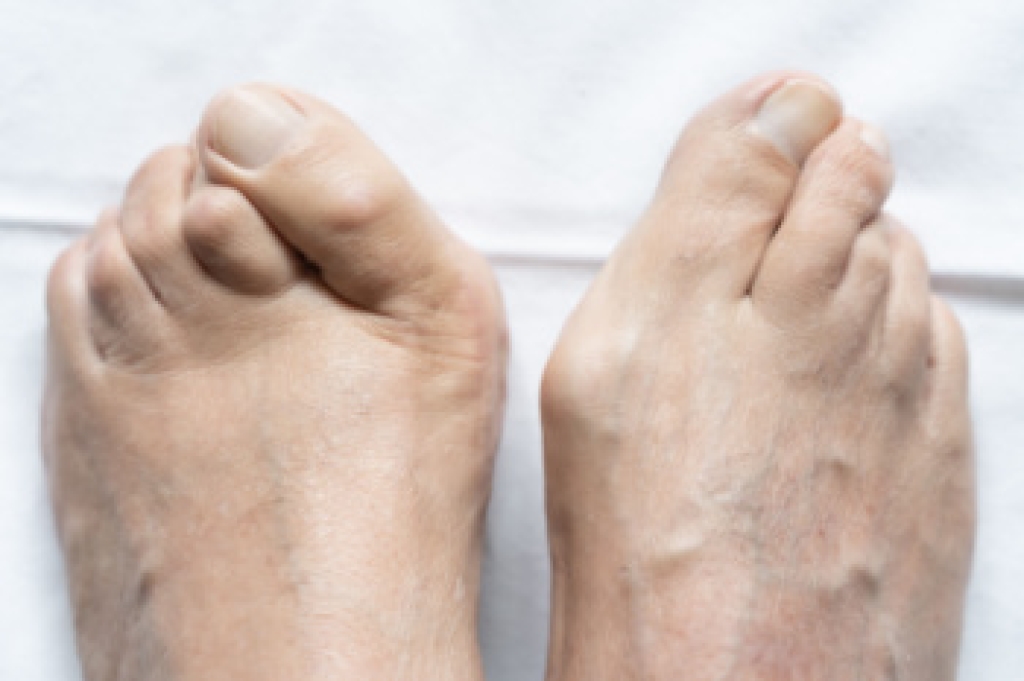
Corns and calluses are thickened skin areas caused by repeated pressure or friction, yet they differ in form and discomfort. Corns are smaller, with a hard center, commonly on toes, while calluses are broader, flatter patches on soles. Symptoms include tenderness, aching, or sharp pain with corns, and dull discomfort with calluses. They may look yellowed, dry, or raised, and can feel rough, tight, or painful in shoes. Causes include ill-fitting footwear, abnormal foot mechanics, bony prominences, and repetitive activity. A podiatrist can help from the start by assessing gait, footwear, and skin, confirming diagnosis, and excluding warts or infection. Treatment options include safe debridement, padding, footwear changes, and addressing biomechanical causes to prevent recurrence. Early evaluation reduces pain, improves alignment, and supports lasting relief. Ongoing care improves comfort, mobility, and skin health. If you are dealing with foot discomfort, it is suggested that you make an appointment with a podiatrist. 

If you have any concerns regarding your feet and ankles, contact one of our podiatrists of Columbus Podiatry & Surgery. Our podiatrists will treat your foot and ankle needs.

Corns: What Are They? and How Do You Get Rid of Them?
Corns can be described as areas of the skin that have thickened to the point of becoming painful or irritating. They are often layers and layers of the skin that have become dry and rough, and are normally smaller than calluses.

Ways to Prevent Corns
There are many ways to get rid of painful corns such as wearing:

  • Well-fitting socks
  • Comfortable shoes that are not tight around your foot
  • Shoes that offer support

Treating Corns
Treatment of corns involves removing the dead skin that has built up in the specific area of the foot. Consult with Our podiatrists to determine the best treatment option for your case of corns.

If you have any questions, please feel free to contact our office located in Columbus, OH . We offer the newest diagnostic and treatment technologies for all your foot care needs.

Read more about Everything You Need to Know About Corns

It's Time for Beautiful Feet

You don't need an excuse to have beautiful nails. Step outside without worrying about the appearance of your feet.

Gout and Nighttime Foot Pain

Gout is a form of inflammatory arthritis caused by a buildup of uric acid crystals within a joint, most commonly affecting the foot and big toe. Gout pain often worsens at night because body temperature drops, fluid shifts, and movement decreases, allowing crystals to irritate the joint more intensely. Symptoms include sudden severe pain, swelling, redness, warmth, and stiffness that can make even light touch uncomfortable. Risk factors include genetics, diet, dehydration, obesity, kidney issues, and certain medications. Causes involve excess uric acid production or reduced elimination from the body. A podiatrist can help by diagnosing gout, managing flare-ups, reducing joint inflammation, and advising on footwear and lifestyle changes to protect the feet. Ongoing care can help prevent joint damage and future attacks. If you have sudden nighttime foot pain or swelling, it is suggested that you consult a podiatrist who can help you to manage this painful condition.

Gout is a painful condition that can be treated. If you are seeking treatment, contact one of our podiatrists from Columbus Podiatry & Surgery. Our podiatrists will treat your foot and ankle needs.

What Is Gout?

Gout is a form of arthritis that is characterized by sudden, severe attacks of pain, redness, and tenderness in the joints. The condition usually affects the joint at the base of the big toe. A gout attack can occur at any random time, such as the middle of the night while you are asleep.

Symptoms

  • Intense Joint Pain - Usually around the large joint of your big toe, and it most severe within the first four to twelve hours
  • Lingering Discomfort - Joint discomfort may last from a few days to a few weeks
  • Inflammation and Redness -Affected joints may become swollen, tender, warm and red
  • Limited Range of Motion - May experience a decrease in joint mobility

Risk Factors

  • Genetics - If family members have gout, you’re more likely to have it
  • Medications - Diuretic medications can raise uric acid levels
  • Gender/Age - Gout is more common in men until the age of 60. It is believed that estrogen protects women until that point
  • Diet - Eating red meat and shellfish increases your risk
  • Alcohol - Having more than two alcoholic drinks per day increases your risk
  • Obesity - Obese people are at a higher risk for gout

Prior to visiting your podiatrist to receive treatment for gout, there are a few things you should do beforehand. If you have gout you should write down your symptoms--including when they started and how often you experience them, important medical information you may have, and any questions you may have. Writing down these three things will help your podiatrist in assessing your specific situation so that he or she may provide the best route of treatment for you.

If you have any questions, please feel free to contact our office located in Columbus, OH . We offer the newest diagnostic and treatment technologies for all your foot care needs.

Read more about Gout

The Complex Mechanics of the Foot

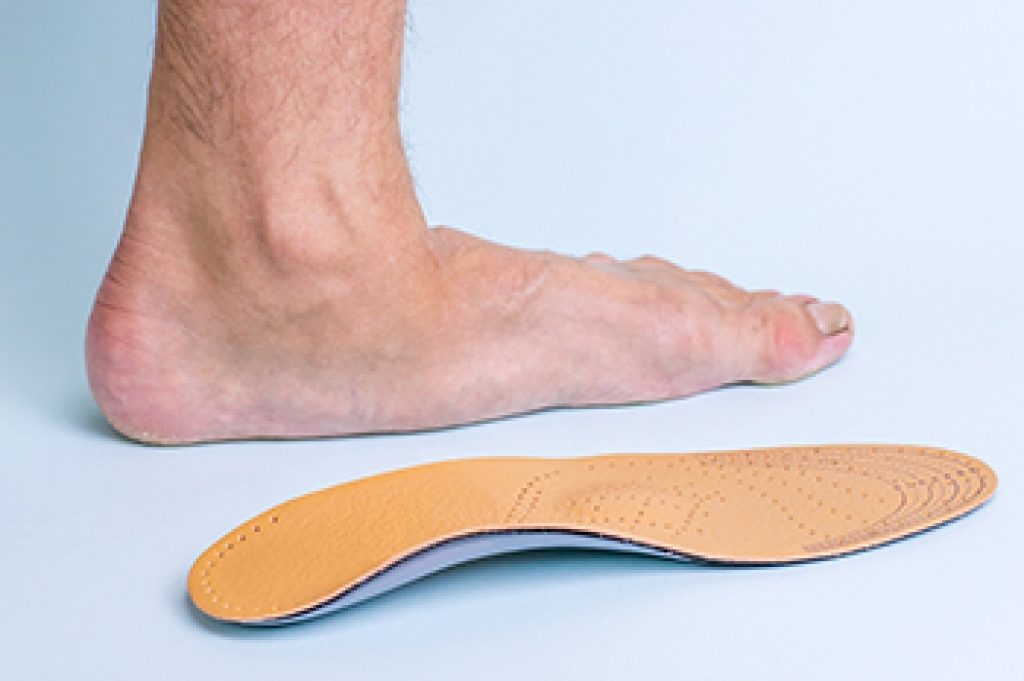
The foot is a highly intricate structure made up of 26 bones and more than 100 ligaments, muscles, and tendons that work together to support movement and stability. This delicate system allows you to walk, run, and stand with ease, but even small imbalances can lead to significant foot problems. When the foot does not function in proper alignment, issues such as arch pain, heel pain, tendon strain, and joint stress can develop and affect your mobility. A podiatrist can assess your foot mechanics, identify underlying imbalances, and create a personalized treatment plan that may include custom orthotics, strengthening exercises, and guidance on proper footwear. Whether you have persistent foot pain or mild discomfort, it is suggested that you contact a podiatrist who can offer effective relief and treatment tips for various foot conditions.

If you have any concerns about your feet, contact one of our podiatrists from Columbus Podiatry & Surgery. Our podiatrists can provide the care you need to keep you pain-free and on your feet.

Biomechanics in Podiatry

Podiatric biomechanics is a particular sector of specialty podiatry with licensed practitioners who are trained to diagnose and treat conditions affecting the foot, ankle and lower leg. Biomechanics deals with the forces that act against the body, causing an interference with the biological structures. It focuses on the movement of the ankle, the foot and the forces that interact with them.

A History of Biomechanics

  • Biomechanics dates back to the BC era in Egypt where evidence of professional foot care has been recorded.
  • In 1974, biomechanics gained a higher profile from the studies of Merton Root, who claimed that by changing or controlling the forces between the ankle and the foot, corrections or conditions could be implemented to gain strength and coordination in the area.

Modern technological improvements are based on past theories and therapeutic processes that provide a better understanding of podiatric concepts for biomechanics. Computers can provide accurate information about the forces and patterns of the feet and lower legs.

Understanding biomechanics of the feet can help improve and eliminate pain, stopping further stress to the foot.

If you have any questions please feel free to contact our office located in Columbus, OH . We offer the newest diagnostic and treatment technologies for all your foot and ankle needs.
Read more about The Importance of Biomechanics in Podiatry

Connect With Us

scroll to top