
Heel pain can negatively affect your day-to-day life. Simple activities like walking can become incredibly uncomfortable or painful due to heel pain.
Don’t live with heel pain and get treated.
Heel pain can negatively affect your day-to-day life. Simple activities like walking can become incredibly uncomfortable or painful due to heel pain.
Don’t live with heel pain and get treated.
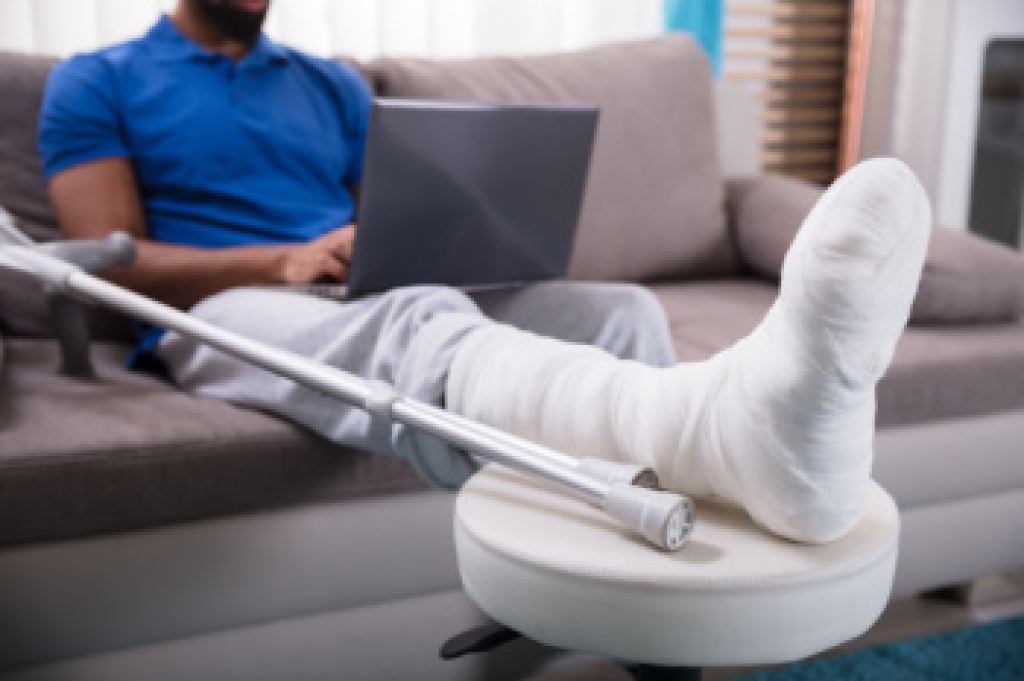
When dealing with a broken foot, it is important to rest and protect the injured area. Avoid putting pressure on the foot to prevent further damage and consider using a protective boot or crutches for stabilization. Despite the need for rest, you can stay active with low-impact activities that do not involve weight-bearing on your feet. Swimming, for example, provides a full-body workout without stressing the foot. Seated strength training exercises are also effective for maintaining upper body and core fitness. Modify your regular workouts to avoid using the injured foot, focusing instead on exercises that can be done seated or lying down. Non-weight bearing cardio, like hand cycling, is another option to keep your heart rate up. If you have broken your foot, it is suggested that you visit a podiatrist for treatment and additional advice on how to stay active while healing takes place.
A broken foot requires immediate medical attention and treatment. If you need your feet checked, contact one of our podiatrists from Columbus Podiatry & Surgery. Our podiatrists can provide the care you need to keep you pain-free and on your feet.
Broken Foot Causes, Symptoms, and Treatment
A broken foot is caused by one of the bones in the foot typically breaking when bended, crushed, or stretched beyond its natural capabilities. Usually the location of the fracture indicates how the break occurred, whether it was through an object, fall, or any other type of injury.
Common Symptoms of Broken Feet:
Those that suspect they have a broken foot shoot seek urgent medical attention where a medical professional could diagnose the severity.
Treatment for broken bones varies depending on the cause, severity and location. Some will require the use of splints, casts or crutches while others could even involve surgery to repair the broken bones. Personal care includes the use of ice and keeping the foot stabilized and elevated.
If you have any questions, please feel free to contact our office located in Columbus, OH . We offer the newest diagnostic and treatment technologies for all your foot care needs.
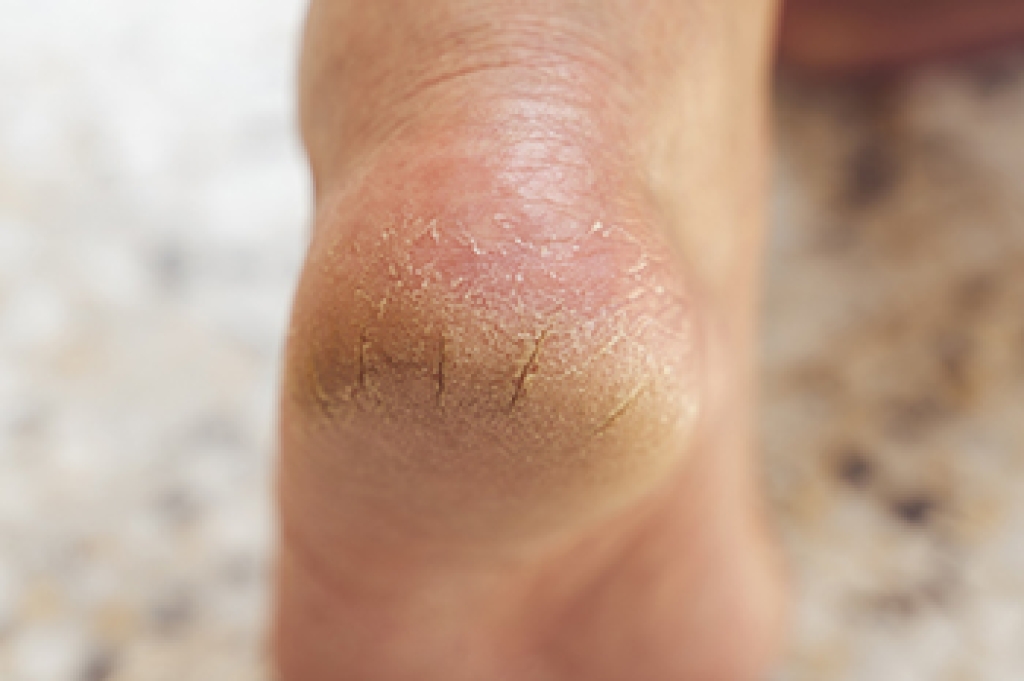
Dry, cracked heels, also known as heel fissures, are a common foot problem resulting in rough, flaky skin on the heels that can lead to painful cracks. This condition often occurs when the skin becomes excessively dry, which can be worsened by cold weather, prolonged standing, or wearing open-back shoes that allow the skin to expand and dry out. People who are more at risk include those with conditions like diabetes, obesity, or eczema, as well as individuals who frequently walk barefoot or have naturally dry skin. Symptoms include rough, thickened skin, itching, and in severe cases, deep cracks that can bleed and become infected. Mild relief can come from regularly moisturizing the feet with thick creams or ointments, using a pumice stone to gently remove dead skin, and wearing supportive shoes that protect the heels. Preventive measures include keeping the feet well-hydrated, avoiding harsh soaps, and wearing socks with closed-back shoes to maintain moisture. If your cracked heels are severe or become infected, it is strongly suggested that you seek care from a podiatrist.
Cracked heels are unsightly and can cause further damage to your shoes and feet. If you have any concerns, contact one of our podiatrists from Columbus Podiatry & Surgery. Our podiatrists can provide the care you need to keep you pain-free and on your feet.
Cracked Heels
Cracked heels appear unappealing and can make it harder for you walk around in sandals. Aside from looking unpleasant, cracked heels can also tear stockings, socks, and wear out your shoes. There are several methods to help restore a cracked heel and prevent further damage.
How Do You Get Them?
Dry skin is the number one culprit in creating cracked heels. Many athletes, walkers, joggers, and even swimmers suffer from cracked heels. Age and skin oil production play a role to getting cracked heels as well.
Promote Healing
Over the counter medicines can help, especially for those that need instant relief or who suffer from chronic dry feet.
Wear Socks – Wearing socks with medicated creams helps lock in moisture.
Moisturizers – Applying both day and night will help alleviate dryness which causes cracking.
Pumice Stones – These exfoliate and remove dead skin, which allows for smoother moisturizer application and better absorption into the skin.
Change in Diet
Eating healthy with a well-balanced diet will give the skin a fresh and radiant look. Your body responds to the kinds of food you ingest. Omega-3 fatty acids and zinc supplements can also revitalize skin tissue.
Most importantly, seek professional help if unsure how to proceed in treating cracked heels. A podiatrist will help you with any questions or information needed.
If you have any questions, please feel free to contact our office located in Columbus, OH . We offer the newest diagnostic and treatment technologies for all your foot care needs.
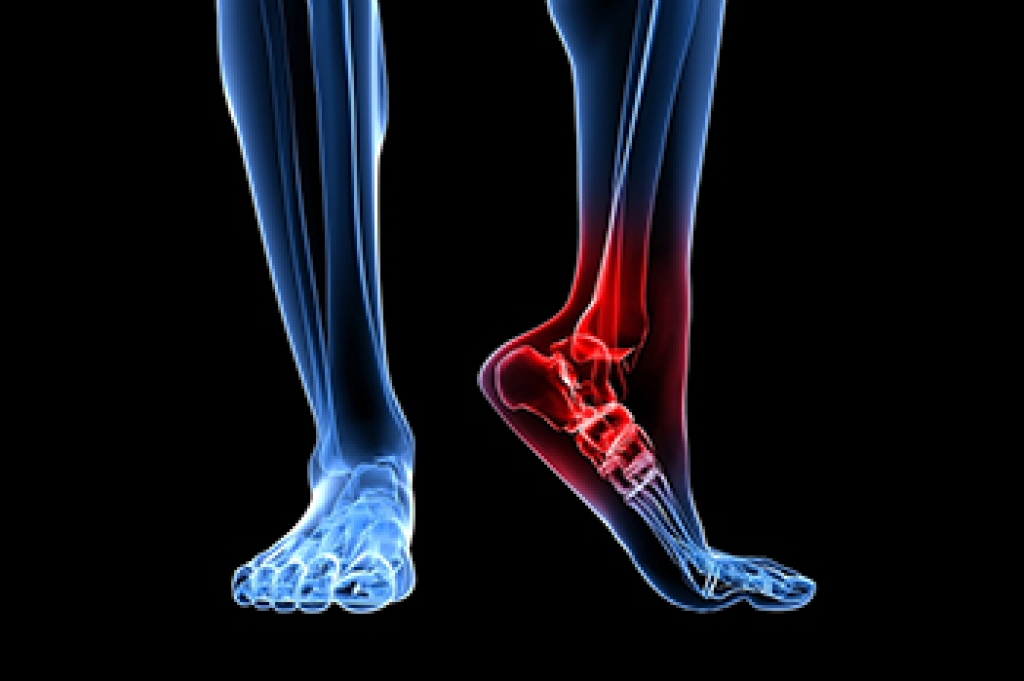
Heel bone fractures, located in the calcaneus bone at the back of the foot, typically result from significant force, such as falling from a great height or a vehicle accident. A heel bone fracture also may be accompanied by injuries to the knees or spine. This type of fracture can cause swelling, tenderness, and an inability to bear weight on the affected foot. Diagnosing a heel fracture generally involves X-rays, although a CT scan might be used for more detailed imaging. Initial treatment includes rest, compression, and elevation, followed by a splint or cast after any exsisting swelling reduces. If the fracture disrupts joint alignment, surgery might be necessary to properly set the bones. Podiatrists are instrumental in diagnosing, treating, and managing rehabilitation for heel fractures. If you are experiencing severe heel pain after a trauma, it is suggested that you schedule an immediate appointment with a podiatrist.
Many people suffer from bouts of heel pain. For more information, contact one of our podiatrists of Columbus Podiatry & Surgery. Our podiatrists can provide the care you need to keep you pain-free and on your feet.
Causes of Heel Pain
Heel pain is often associated with plantar fasciitis. The plantar fascia is a band of tissues that extends along the bottom of the foot. A rip or tear in this ligament can cause inflammation of the tissue.
Achilles tendonitis is another cause of heel pain. Inflammation of the Achilles tendon will cause pain from fractures and muscle tearing. Lack of flexibility is also another symptom.
Heel spurs are another cause of pain. When the tissues of the plantar fascia undergo a great deal of stress, it can lead to ligament separation from the heel bone, causing heel spurs.
Why Might Heel Pain Occur?
Treatments
Heel pain should be treated as soon as possible for immediate results. Keeping your feet in a stress-free environment will help. If you suffer from Achilles tendonitis or plantar fasciitis, applying ice will reduce the swelling. Stretching before an exercise like running will help the muscles. Using all these tips will help make heel pain a condition of the past.
If you have any questions, please feel free to contact our office located in Columbus, OH . We offer the newest diagnostic and treatment technologies for all your foot care needs.
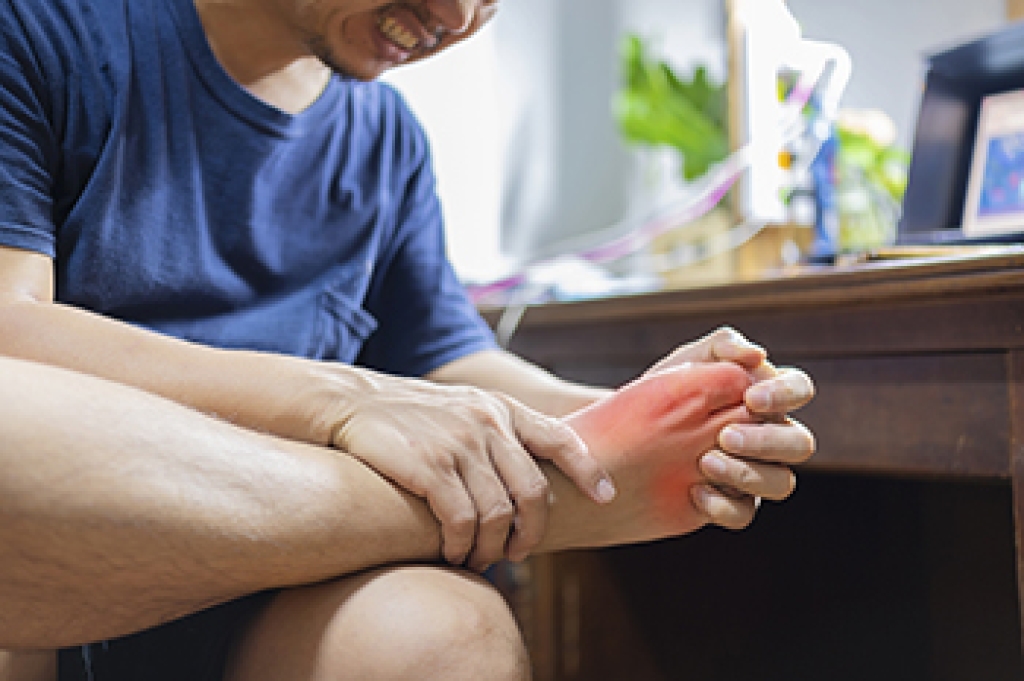
Gout, a form of arthritis caused by excess uric acid in the body, results in sudden and severe symptoms such as pain, redness, and swelling, often affecting the big toe. These gout symptoms can emerge rapidly and typically occur at night or early morning. Without treatment, gout can progress through three stages. Asymptomatic hyperuricemia is where uric acid crystals begin forming. Acute intermittent gout causes periodic symptoms. Chronic tophaceous gout happens when uric acid crystals accumulate, causing persistent inflammation and long-term complications like joint deformity and restricted movement. Gout attacks can vary in intensity and if left unmanaged, recurrent episodes can lead to severe complications. To prevent these outcomes and improve your quality of life, timely diagnosis and treatment are essential. If you are experiencing symptoms of gout, it is suggested that you add a podiatrist to your medical team to help manage this condition.
Gout is a foot condition that requires certain treatment and care. If you are seeking treatment, contact one of our podiatrists from Columbus Podiatry & Surgery. Our podiatrists will treat your foot and ankle needs.
What Is Gout?
Gout is a type of arthritis caused by a buildup of uric acid in the bloodstream. It often develops in the foot, especially the big toe area, although it can manifest in other parts of the body as well. Gout can make walking and standing very painful and is especially common in diabetics and the obese.
People typically get gout because of a poor diet. Genetic predisposition is also a factor. The children of parents who have had gout frequently have a chance of developing it themselves.
Gout can easily be identified by redness and inflammation of the big toe and the surrounding areas of the foot. Other symptoms include extreme fatigue, joint pain, and running high fevers. Sometimes corticosteroid drugs can be prescribed to treat gout, but the best way to combat this disease is to get more exercise and eat a better diet.
If you have any questions please feel free to contact our office located in Columbus, OH . We offer the newest diagnostic and treatment technologies for all your foot and ankle needs.
Connect With Us
