Causes of Ankle Pain While Snowboarding

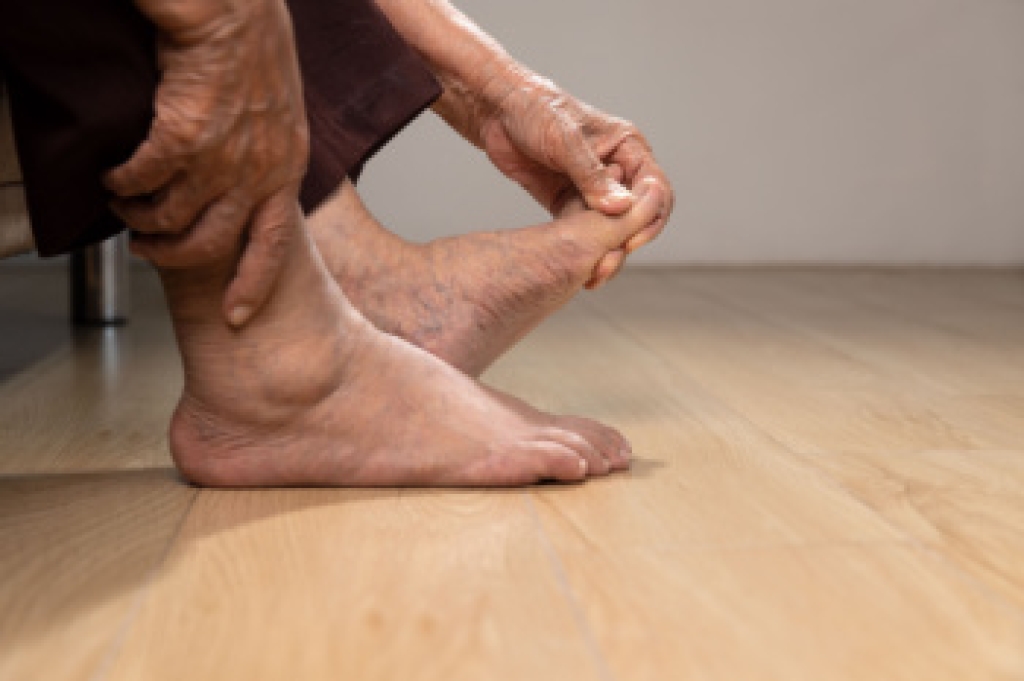
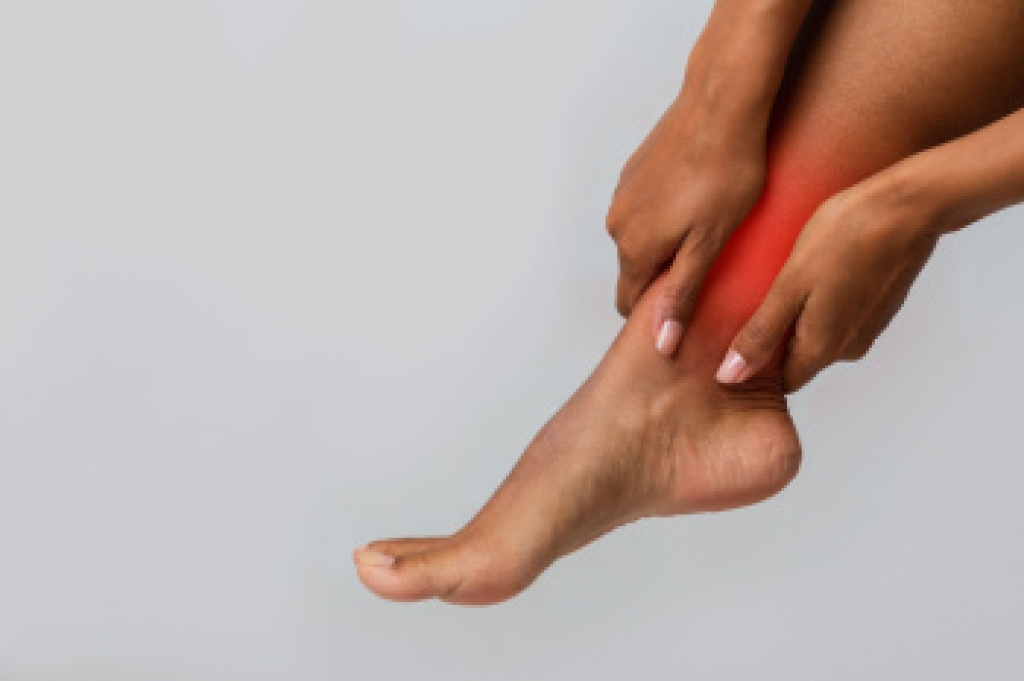
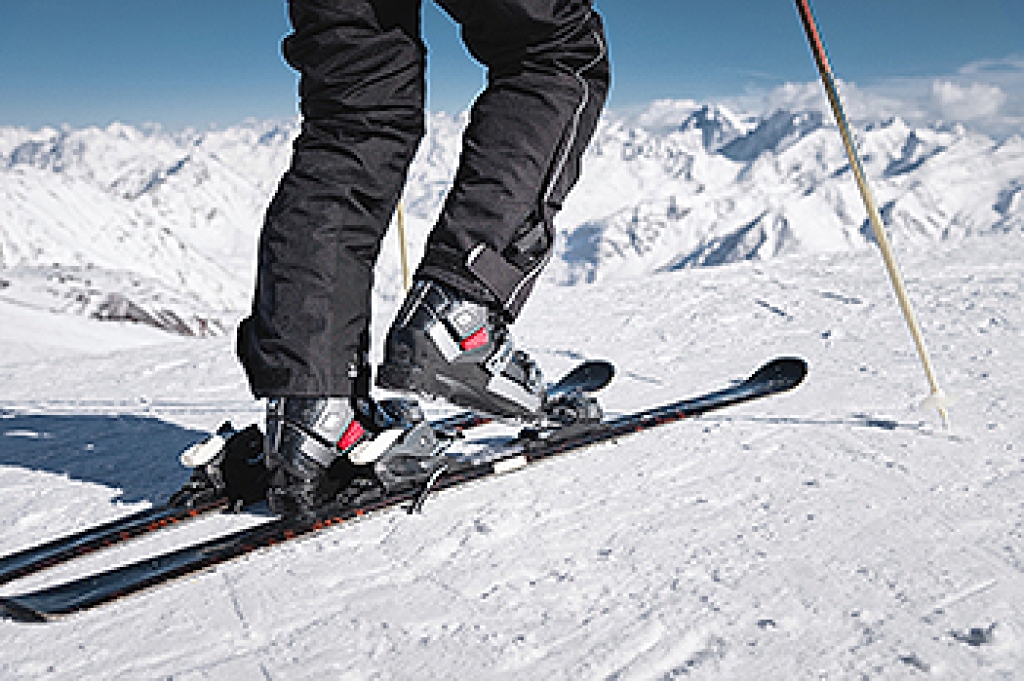
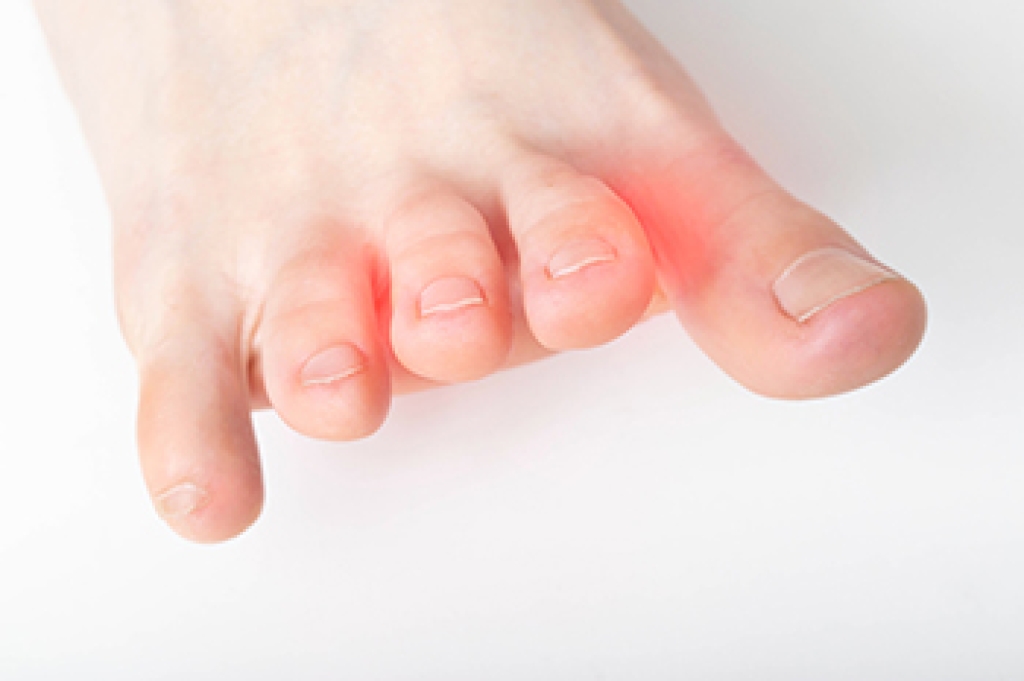
Ankle pain is common in snowboarding and skiing, and often stems from issues with bindings, poor lower body form, excessive pronation, and limited support while riding the chairlift. Tight or improperly adjusted bindings can place uneven pressure on the ankle, while poor form can strain the surrounding muscles and ligaments. Pronation can cause the foot to roll inward, leading to instability and discomfort. Even the lack of support on a chairlift can place the ankle in an awkward position that increases stress. A podiatrist can evaluate foot mechanics, recommend custom orthotics, and provide guidance on proper alignment to reduce strain during snowboarding or skiing. If ankle pain is affecting your time on the slopes, it is suggested that you schedule an appointment with a podiatrist who can offer effective relief and treatment solutions.  

Ankle pain can be caused by a number of problems and may be potentially serious. If you have ankle pain, consult with one of our podiatrists from Columbus Podiatry & Surgery. Our podiatrists will assess your condition and provide you with quality foot and ankle treatment.

Ankle pain is any condition that causes pain in the ankle. Due to the fact that the ankle consists of tendons, muscles, bones, and ligaments, ankle pain can come from a number of different conditions.

Causes

The most common causes of ankle pain include:

  • Types of arthritis (rheumatoid, osteoarthritis, and gout)
  • Ankle sprains
  • Broken ankles
  • Achilles tendonitis
  • Achilles tendon rupture
  • Stress fractures
  • Bursitis
  • Tarsal tunnel syndrome
  • Plantar fasciitis

Symptoms

Symptoms of ankle injury vary based upon the condition. Pain may include general pain and discomfort, swelling, aching, redness, bruising, burning or stabbing sensations, and/or loss of sensation.

Diagnosis

Due to the wide variety of potential causes of ankle pain, podiatrists will utilize a number of different methods to properly diagnose ankle pain. This can include asking for personal and family medical histories and of any recent injuries. Further diagnosis may include sensation tests, a physical examination, and potentially x-rays or other imaging tests.

Treatment

Just as the range of causes varies widely, so do treatments. Some more common treatments are rest, ice packs, keeping pressure off the foot, orthotics and braces, medication for inflammation and pain, and surgery.

If you have any questions please feel free to contact our office located in Columbus, OH . We offer the newest diagnostic tools and technology to treat your foot and ankle needs.

Read more about Ankle Pain

Understanding Morton’s Neuroma

Morton’s neuroma develops when a nerve between the toes, most often the third and fourth, becomes thickened and irritated. This condition can cause sharp or burning pain in the ball of the foot, often described as standing on a pebble or having a wrinkle in the sock. Wearing tight shoes, high heels, or repetitive stress from running or other impact activities can worsen the problem. Relief often begins with simple changes such as wearing wider shoes, avoiding high heels, and using cushioned pads or orthotics to reduce pressure on the affected nerve. When discomfort persists, treatments like anti-inflammatory therapy, corticosteroid injections, or specialized procedures may be used to ease pain and restore comfort. If you frequently experience tingling, numbness, or pain in the front of your foot, it is suggested that you schedule an appointment with a podiatrist for an evaluation and appropriate treatment.

Morton’s neuroma is a very uncomfortable condition to live with. If you think you have Morton’s neuroma, contact one of our podiatrists of Columbus Podiatry & Surgery. Our podiatrists will attend to all of your foot care needs and answer any of your related questions.  

Morton’s Neuroma

Morton's neuroma is a painful foot condition that commonly affects the areas between the second and third or third and fourth toe, although other areas of the foot are also susceptible. Morton’s neuroma is caused by an inflamed nerve in the foot that is being squeezed and aggravated by surrounding bones.

What Increases the Chances of Having Morton’s Neuroma?

  • Ill-fitting high heels or shoes that add pressure to the toe or foot
  • Jogging, running or any sport that involves constant impact to the foot
  • Flat feet, bunions, and any other foot deformities

Morton’s neuroma is a very treatable condition. Orthotics and shoe inserts can often be used to alleviate the pain on the forefront of the feet. In more severe cases, corticosteroids can also be prescribed. In order to figure out the best treatment for your neuroma, it’s recommended to seek the care of a podiatrist who can diagnose your condition and provide different treatment options.

If you have any questions, please feel free to contact our office located in Columbus, OH . We offer the newest diagnostic and treatment technologies for all your foot care needs.

Read more about Morton's Neuroma

Do Your Child's Feet Hurt?

Have your child's feet been examined lately? Healthy feet are happy feet. If your child is complaining of foot pain, it may be a sign of underlying problems.

Understanding How Psoriatic Arthritis Affects the Feet

Psoriatic arthritis is a chronic condition that can cause pain, swelling, and stiffness in the feet, often making it difficult to walk or stand for long periods. of time. The inflammation may involve any of the 26 foot bones and ankle joints, as well as their surrounding soft tissues. A common feature of psoriatic arthritis is dactylitis, also called sausage toes, where the entire toe becomes swollen and tender. Heel pain may also occur when the Achilles tendon becomes inflamed, creating symptoms similar to plantar fasciitis. Over time, the toes can curl into claw-like shapes, the big toe may bend upward, or the foot arch may flatten. Skin around the joints may appear red or purple, and stiffness often worsens after periods of rest. A podiatrist can evaluate these symptoms, recommend proper footwear or custom orthotics, and discuss possible surgery if joint damage is severe. If you have foot pain from psoriatic arthritis, it is suggested that you schedule an appointment with a podiatrist for an exam and appropriate treatment.

Arthritis can be a difficult condition to live with. If you are seeking treatment, contact one of our podiatrists from Columbus Podiatry & Surgery. Our podiatrists can provide the care you need to keep you pain-free and on your feet.

Arthritic Foot Care  

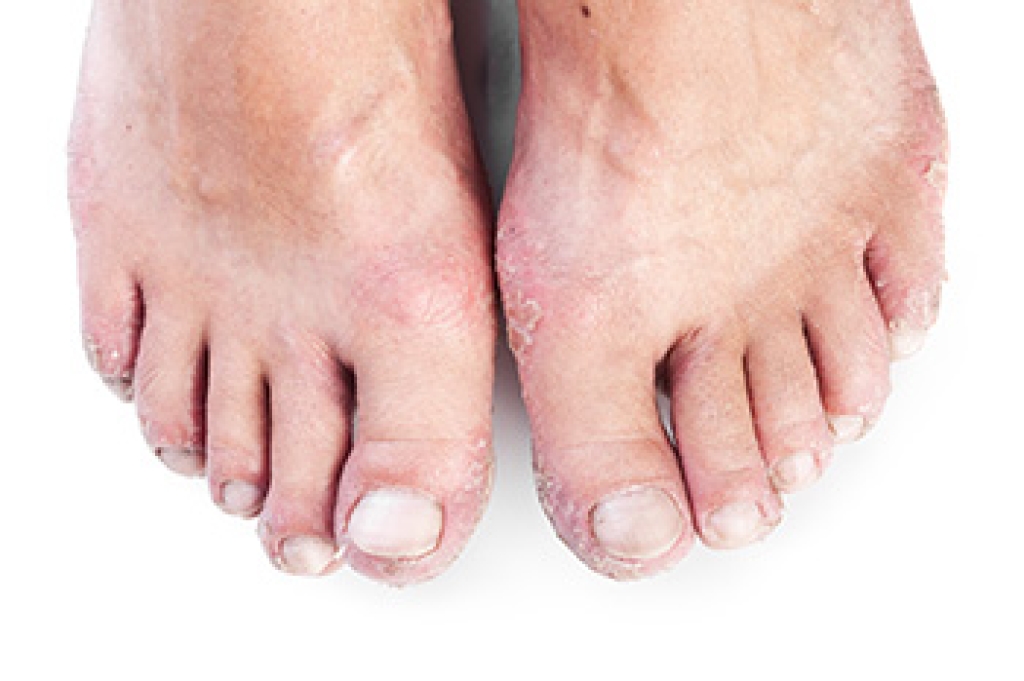
Arthritis is a joint disorder that involves the inflammation of different joints in your body, such as those in your feet. Arthritis is often caused by a degenerative joint disease and causes mild to severe pain in all affected areas. In addition to this, swelling and stiffness in the affected joints can also be a common symptom of arthritis.

In many cases, wearing ill-fitting shoes can worsen the effects and pain of arthritis. Wearing shoes that have a lower heel and extra room can help your feet feel more comfortable. In cases of rheumatoid arthritis, the arch in your foot may become problematic. Buying shoes with proper arch support that contour to your feet can help immensely.

Alleviating Arthritic Pain

  • Exercises that stretch the foot can prevent further pain and injury and increase mobility
  • Most of the pain can be alleviated with anti-inflammatory drugs, heat, and topical medications
  • Massages can help temporarily alleviate pain.

It is best to see your doctor for the treatment that is right for your needs and symptoms. Conditions vary, and a podiatrist can help you determine the right method of care for your feet.

If you have any questions please feel free to contact our office located in Columbus, OH . We offer the newest diagnostic tools and technology to treat your foot and ankle needs.
Read more about Arthritic Foot Care

Types of Skin Ulcers Affecting the Feet

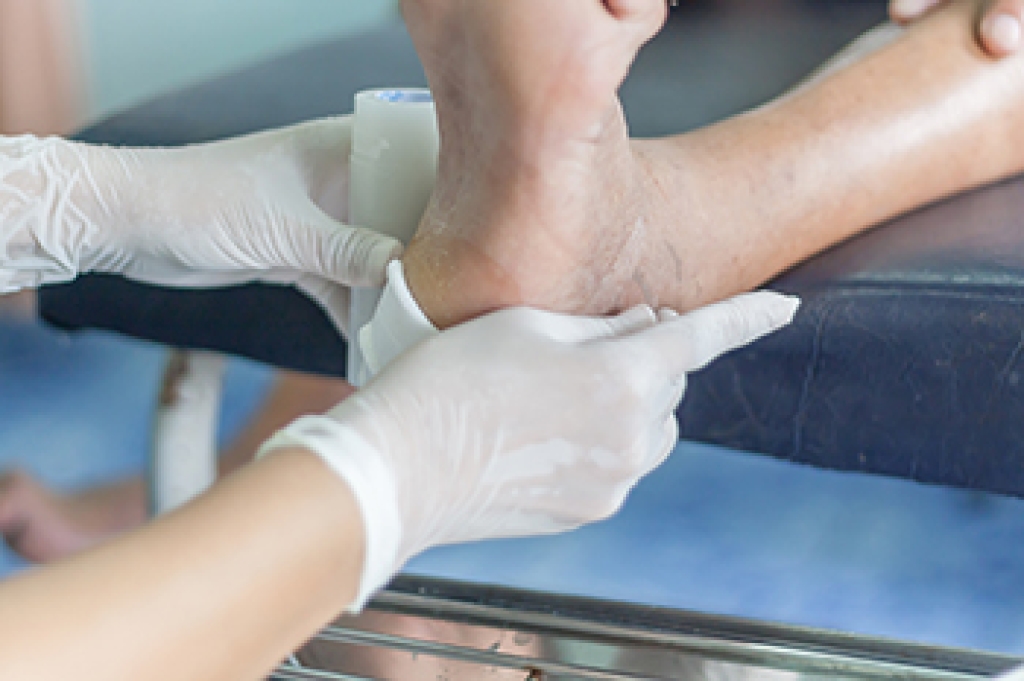
Skin ulcers on the feet are open sores that form when the skin and underlying tissue break down due to poor circulation, nerve damage, or constant pressure. Pressure ulcers develop on the heels or ankles when prolonged pressure reduces blood flow to the skin. Venous ulcers form above the ankle when veins fail to circulate blood properly, causing fluid buildup and skin damage. Arterial ulcers appear on the toes, ankles, or between toes when  blood flow is reduced by narrowed arteries, leaving the skin deprived of oxygen. Neuropathic ulcers, often seen in people with diabetes, occur on weight-bearing areas like the ball of the foot. Nerve damage prevents pain sensation, allowing minor injuries to worsen unnoticed. A podiatrist can diagnose the cause, promote healing, and help prevent limb loss. If you notice sores on the feet that do not heal properly, it is suggested that you make an appointment with a podiatrist for a diagnosis and treatment options.

Wound care is an important part in dealing with diabetes. If you have diabetes and a foot wound or would like more information about wound care for diabetics, consult with one of our podiatrists from Columbus Podiatry & Surgery. Our podiatrists will assess your condition and provide you with quality foot and ankle treatment.

What Is Wound Care?

Wound care is the practice of taking proper care of a wound. This can range from the smallest to the largest of wounds. While everyone can benefit from proper wound care, it is much more important for diabetics. Diabetics often suffer from poor blood circulation which causes wounds to heal much slower than they would in a non-diabetic. 

What Is the Importance of Wound Care?

While it may not seem apparent with small ulcers on the foot, for diabetics, any size ulcer can become infected. Diabetics often also suffer from neuropathy, or nerve loss. This means they might not even feel when they have an ulcer on their foot. If the wound becomes severely infected, amputation may be necessary. Therefore, it is of the upmost importance to properly care for any and all foot wounds.

How to Care for Wounds

The best way to care for foot wounds is to prevent them. For diabetics, this means daily inspections of the feet for any signs of abnormalities or ulcers. It is also recommended to see a podiatrist several times a year for a foot inspection. If you do have an ulcer, run the wound under water to clear dirt from the wound; then apply antibiotic ointment to the wound and cover with a bandage. Bandages should be changed daily and keeping pressure off the wound is smart. It is advised to see a podiatrist, who can keep an eye on it.

If you have any questions please contact our office located in Columbus, OH . We offer the newest diagnostic and treatment technologies for all your foot and ankle needs.

Read more about Wound Care

Prompt Treatment Matters When Gout Strikes the Foot

Gout is a form of inflammatory arthritis caused by a buildup of uric acid crystals in the joints, often affecting the big toe. It may appear suddenly, causing intense pain, swelling, redness, and warmth in the affected area. The skin may look shiny and feel extremely tender, making even the touch of a sheet unbearable. Common causes include a diet high in purines, obesity, certain medications, and genetic factors. Gout attacks can last for days or weeks and may recur if not properly managed. A podiatrist can diagnose gout through physical examination, review of medical history, and tests such as joint fluid analysis or blood work. Treatment options include anti-inflammatory medications, corticosteroid injections, dietary guidance, and long-term management strategies to reduce uric acid levels. Preventive care and lifestyle changes are essential to avoid future flare-ups. A podiatrist can also help rule out other conditions with similar symptoms. It is suggested that you make an appointment with a podiatrist for accurate diagnosis and care.

Gout is a foot condition that requires certain treatment and care. If you are seeking treatment, contact one of our podiatrists from Columbus Podiatry & Surgery. Our podiatrists will treat your foot and ankle needs.
What Is Gout?

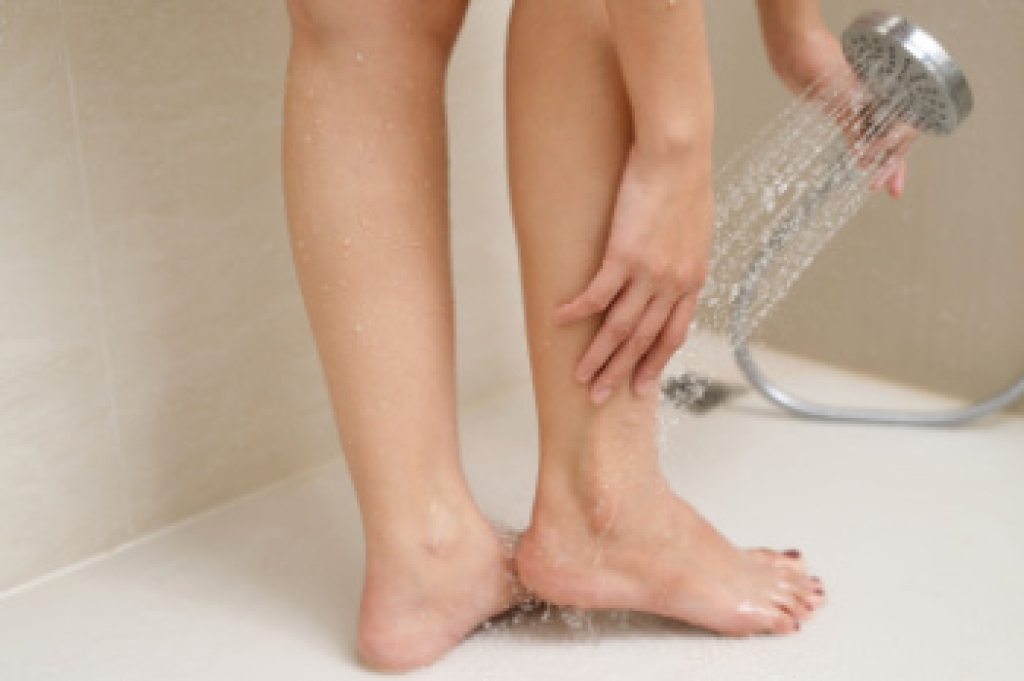
Gout is a type of arthritis caused by a buildup of uric acid in the bloodstream. It often develops in the foot, especially the big toe area, although it can manifest in other parts of the body as well. Gout can make walking and standing very painful and is especially common in diabetics and the obese.

People typically get gout because of a poor diet. Genetic predisposition is also a factor. The children of parents who have had gout frequently have a chance of developing it themselves.

Gout can easily be identified by redness and inflammation of the big toe and the surrounding areas of the foot. Other symptoms include extreme fatigue, joint pain, and running high fevers. Sometimes corticosteroid drugs can be prescribed to treat gout, but the best way to combat this disease is to get more exercise and eat a better diet.

If you have any questions, please feel free to contact our office located in Columbus, OH . We offer the newest diagnostic and treatment technologies for all your foot care needs.

Read more about Everything You Need to Know About Gout

An Easy Stretch for Feet and Ankles

If you are an athlete, then you are likely aware of the many foot and ankle injuries one might face while participating in sports. The feet and ankles are the foundations of the body, but they undergo a lot of wear and tear during most physical activity. Because of this, it is important to stretch your feet and ankles, giving them the strength and flexibility that they need to work out. One easy stretch that you can do is standing in front of a wall and placing the toes of one foot on that wall while keeping your heel on the floor. Flex the foot and hold for 10 to 15 seconds. You should feel a stretch in your foot and calf. For more information about stretches for your foot and ankle health, it is suggested that you consult with a podiatrist today.

Stretching the feet is a great way to prevent injuries. If you have any concerns with your feet consult with one of our podiatrists from Columbus Podiatry & Surgery. Our podiatrists will assess your condition and provide you with quality foot and ankle treatment.

Stretching the Feet

Being the backbone of the body, the feet carry your entire weight and can easily become overexerted, causing cramps and pain. As with any body part, stretching your feet can serve many benefits. From increasing flexibility to even providing some pain relief, be sure to give your feet a stretch from time to time. This is especially important for athletes or anyone performing aerobic exercises, but anyone experiencing foot pain or is on their feet constantly should also engage in this practice.

Great ways to stretch your feet:

  • Crossing one leg over the others and carefully pull your toes back. Do 10-20 repetitions and repeat the process for each foot
  • Face a wall with your arms out and hands flat against the wall. Step back with one foot and keep it flat on the floor while moving the other leg forward. Lean towards the wall until you feel a stretch. Hold for 30 seconds and perform 10 repetitions for each foot
  • Be sure not to overextend or push your limbs too hard or you could risk pulling or straining your muscle

Individuals who tend to their feet by regular stretching every day should be able to minimize foot pain and prevent new problems from arising.

If you have any questions please contact our office located in Columbus, OH . We offer the newest diagnostic and treatment technologies for all your foot and ankle needs.

Read more about How to Stretch Your Feet

Daily Foot Care for Healthy Feet

Taking care of your feet every day is essential for comfort and overall health. Wearing comfortable, well-fitting shoes supports proper alignment and prevents pain. Regular walking promotes circulation and strength, while washing your feet daily removes dirt and bacteria. Moisturizing helps prevent dryness and cracking, and wearing clean socks protects the skin from friction and moisture buildup. Consistent foot care reduces the risk of infections, calluses, corns, and other problems. A podiatrist can assess your foot health, recommend proper footwear, and treat any developing issues early. If you have foot pain, it is suggested that you consult a podiatrist who can treat various foot conditions, and guide you on additional everyday foot care tips.

Everyday foot care is very important to prevent infection and other foot ailments. If you need your feet checked, contact one of our podiatrists from Columbus Podiatry & Surgery. Our podiatrists can provide the care you need to keep you pain-free and on your feet.

Everyday Foot Care

Often, people take care of their bodies, face and hair more so than they do for their feet. But the feet are a very important aspect of our bodies, and one that we should pay more attention to. Without our feet, we would not be able to perform most daily tasks.

It is best to check your feet regularly to make sure there are no new bruises or cuts that you may not have noticed before. For dry feet, moisturizer can easily be a remedy and can be applied as often as necessary to the affected areas. Wearing shoes that fit well can also help you maintain good foot health, as well as making it easier to walk and do daily activities without the stress or pain of ill-fitting shoes, high heels, or even flip flops. Wearing clean socks with closed shoes is important to ensure that sweat and bacteria do not accumulate within the shoe. Clean socks help to prevent Athlete’s foot, fungi problems, bad odors, and can absorb sweat.

If you have any questions, please feel free to contact our office located in Columbus, OH . We offer the newest diagnostic and treatment technologies for all your foot care needs.

Read more about Every Day Foot Care

Why Live with Pain and Numbness in Your Feet?

Suffering from this type of pain? You may have the foot condition known as Morton's neuroma. Morton's neuroma may develop as a result of ill-fitting footwear and existing foot deformities. We can help.

Helping to Ease the Pain and Swelling of Tarsal Tunnel Syndrome

The posterior tibial nerve that runs down your ankle to your foot is encased in the narrow tarsal tunnel along with tendons and blood vessels. When that nerve becomes compressed by an ankle sprain, arthritis, or overuse, it can become inflamed and painful, causing tarsal tunnel syndrome. Gentle exercises that gradually build strength and flexibility may help reduce swelling and pain. However, it is important to start off slowly, and pace yourself as you do not want to make the situation worse. Before attempting any exercise it is suggested that you consult with a podiatrist to determine if you have tarsal tunnel syndrome. In addition this foot doctor can also confirm which exercises are safe for you and suggest a treatment plan that is beneficial for reducing pain and swelling, while helping the ankle heal.

Tarsal tunnel syndrome can be very uncomfortable to live with. If you are experiencing tarsal tunnel syndrome, contact one of our podiatrists of Columbus Podiatry & Surgery. Our podiatrists can provide the care you need to keep you pain-free and on your feet.

Tarsal Tunnel Syndrome

Tarsal tunnel syndrome, which can also be called tibial nerve dysfunction, is an uncommon condition of misfiring peripheral nerves in the foot. The tibial nerve is the peripheral nerve in the leg responsible for sensation and movement of the foot and calf muscles. In tarsal tunnel syndrome, the tibial nerve is damaged, causing problems with movement and feeling in the foot of the affected leg.

Common Cause of Tarsal Tunnel Syndrome

  • Involves pressure or an injury, direct pressure on the tibial nerve for an extended period of time, sometimes caused by other body structures close by or near the knee.
  • Diseases that damage nerves, including diabetes, may cause tarsal tunnel syndrome.
  • At times, tarsal tunnel syndrome can appear without an obvious cause in some cases.

The Effects of Tarsal Tunnel Syndrome

  • Different sensations, an afflicted person may experience pain, tingling, burning or other unusual sensations in the foot of the affected leg.
  • The foot muscles, toes and ankle become weaker, and curling your toes or flexing your foot can become difficult.
  • If condition worsens, infections and ulcers may develop on the foot that is experiencing the syndrome.

A physical exam of the leg can help identify the presence of tarsal tunnel syndrome. Medical tests, such as a nerve biopsy, are also used to diagnose the condition. Patients may receive physical therapy and prescriptive medication. In extreme cases, some may require surgery.

If you have any questions please contact our office located in Columbus, OH . We offer the newest diagnostic and treatment technologies for all your foot and ankle needs.

Read more about Treating Tarsal Tunnel Syndrome

Connect With Us

scroll to top