How to Find Relief From Morton's Neuroma

Morton's neuroma is a painful condition caused by thickening of the tissue surrounding a nerve between the toes, most commonly between the third and fourth toes. It develops when the nerve is compressed or irritated over time. Common causes include wearing high heels, narrow or pointed shoes, repetitive impact activities, and foot deformities such as bunions or hammertoes. Symptoms include burning pain, tingling, numbness, and the sensation of standing on a small stone. Risk factors include excessive walking or running, improper footwear, and certain foot shapes. A podiatrist can provide an accurate diagnosis, recommend footwear modifications, offer nonsurgical treatments, and guide long-term management. If you have pain in this part of your foot, it is suggested that you consult a podiatrist who can accurately diagnose and treat Morton’s neuroma.

Morton’s neuroma is a very uncomfortable condition to live with. If you think you have Morton’s neuroma, contact one of our podiatrists of Columbus Podiatry & Surgery. Our podiatrists will attend to all of your foot care needs and answer any of your related questions.  

Morton’s Neuroma

Morton's neuroma is a painful foot condition that commonly affects the areas between the second and third or third and fourth toe, although other areas of the foot are also susceptible. Morton’s neuroma is caused by an inflamed nerve in the foot that is being squeezed and aggravated by surrounding bones.

What Increases the Chances of Having Morton’s Neuroma?

  • Ill-fitting high heels or shoes that add pressure to the toe or foot
  • Jogging, running or any sport that involves constant impact to the foot
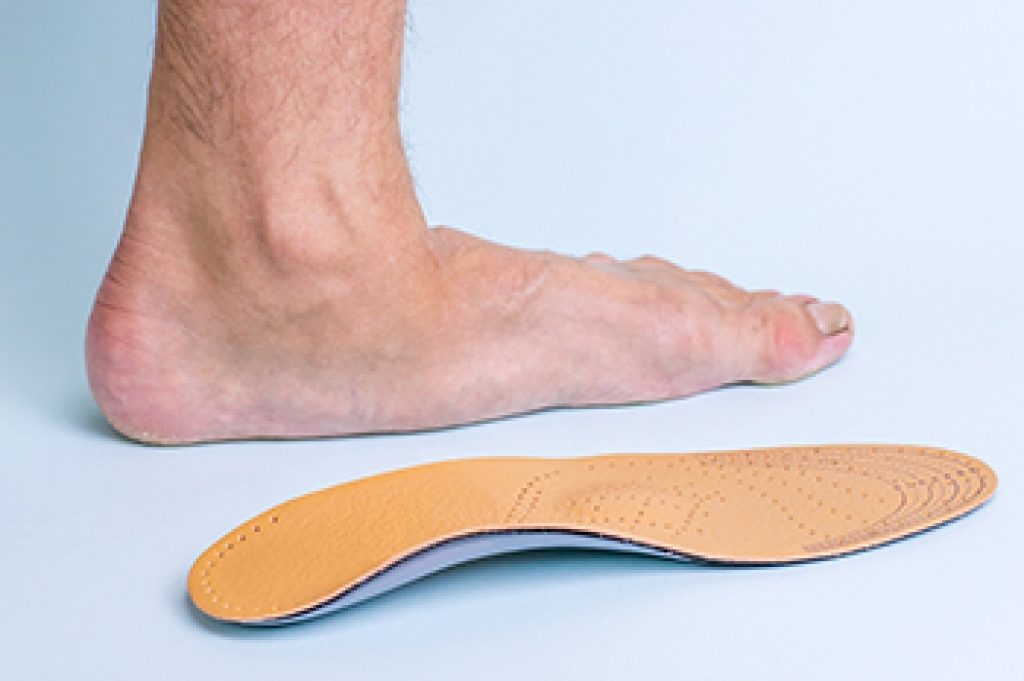
  • Flat feet, bunions, and any other foot deformities

Morton’s neuroma is a very treatable condition. Orthotics and shoe inserts can often be used to alleviate the pain on the forefront of the feet. In more severe cases, corticosteroids can also be prescribed. In order to figure out the best treatment for your neuroma, it’s recommended to seek the care of a podiatrist who can diagnose your condition and provide different treatment options.

If you have any questions, please feel free to contact our office located in Columbus, OH . We offer the newest diagnostic and treatment technologies for all your foot care needs.


Read more about What is Morton's Neuroma?

What a Podiatrist Is and How They Help Keep You Moving

A podiatrist is a medical doctor who specializes in the care of the feet, ankles, and lower legs. This includes diagnosing and treating injuries, chronic conditions, and structural problems that affect how people walk and move. Podiatrists care for issues such as heel pain, bunions, ingrown toenails, fungal infections, arthritis, and sports-related injuries. They also play an important role in managing diabetic foot problems, nerve conditions, and wounds that require close monitoring. Beyond treating pain, podiatrists focus on prevention and long-term foot health. They may recommend footwear changes, custom orthotics, stretching programs, or lifestyle adjustments to reduce stress on the feet and joints. Many podiatrists also perform in-office procedures and surgery, when needed, to restore function and comfort. If you have ongoing foot or ankle concerns, it is suggested that you see a podiatrist for a proper diagnosis and appropriate treatment.

If you are experiencing pain in the feet or ankles, don’t join the stubborn majority refusing treatment. Feel free to contact one of our podiatrists from Columbus Podiatry & Surgery. Our podiatrists can provide the care you need to keep you pain-free and on your feet.

What Is a Podiatrist?

Someone would seek the care of a podiatrist if they have suffered a foot injury or have common foot ailments such as heal spurs, bunions, arch problems, deformities, ingrown toenails, corns, foot and ankle problems, etc.

Podiatric Treatment

A podiatrist will treat the problematic areas of the feet, ankle or lower leg by prescribing the following:

  • Physical therapy
  • Drugs
  • Orthotic inserts or soles
  • Surgery on lower extremity fractures

A common podiatric procedure a podiatrist will use is a scanner or force plate which will allow the podiatrist to know the designs of orthotics. Patients are then told to follow a series of tasks to complete the treatment. The computer will scan the foot a see which areas show weight distribution and pressure points. The podiatrist will read the analysis and then determine which treatment plans are available.

If you have any questions, please feel free to contact our office located in Columbus, OH . We offer the newest diagnostic and treatment technologies for all your foot care needs.

Read more about What is a Podiatrist?

How a Podiatrist Can Help Athlete’s Foot

Athlete’s foot is a contagious fungal infection that affects the skin on the feet, particularly between the toes. It develops in warm, moist environments and is commonly caused by walking barefoot in public showers, locker rooms, or around pools. Risk factors include wearing tight or non-breathable shoes, excessive sweating, and compromised immune function. Symptoms often include itching, redness, peeling, burning, and cracking of the skin. Preventive measures include keeping feet clean and dry, changing socks regularly, wearing breathable shoes, and avoiding walking barefoot in shared spaces. A podiatrist can diagnose athlete’s foot, provide effective antifungal treatment, and recommend strategies to prevent recurrence. If you notice persistent itching or skin changes on your feet, it is suggested that you consult a podiatrist who can treat this condition, which may include prescribed medication.

Athlete’s foot is an inconvenient condition that can be easily reduced with the proper treatment. If you have any concerns about your feet and ankles, contact one of our podiatrists from Columbus Podiatry & Surgery.  Our podiatrists will treat your foot and ankle needs.

Athlete’s Foot: The Sole Story

Athlete's foot, also known as tinea pedis, can be an extremely contagious foot infection. It is commonly contracted in public changing areas and bathrooms, dormitory style living quarters, around locker rooms and public swimming pools, or anywhere your feet often come into contact with other people.

Solutions to Combat Athlete’s Foot

  • Hydrate your feet by using lotion
  • Exfoliate
  • Buff off nails
  • Use of anti-fungal products
  • Examine your feet and visit your doctor if any suspicious blisters or cuts develop

Athlete’s foot can cause many irritating symptoms such as dry and flaking skin, itching, and redness. Some more severe symptoms can include bleeding and cracked skin, intense itching and burning, and even pain when walking. In the worst cases, Athlete’s foot can cause blistering as well. Speak to your podiatrist for a better understanding of the different causes of Athlete’s foot, as well as help in determining which treatment options are best for you.

If you have any questions please feel free to contact our office located in Columbus, OH . We offer the newest diagnostic and treatment technologies for all your foot and ankle needs.

Read more about Athlete's Foot

Are You Suffering From Ingrown Toenails?

If left untreated, an ingrown toenail can lead to more serious concerns, such as an infection. Knowing proper nail care can help in the prevention of an ingrown toenail. Give us a call, and get treated!

How High Arches Affect Foot Health

High arches can place added stress on the feet because they sit higher off the ground and are not able to lower enough to absorb shock. This often makes the heel tilt inward, which can shift weight toward the outer edge of the foot and the base of the big toe. When this area takes too much pressure, pain can develop under the big toe joint, including irritation of the tiny sesamoid bones beneath it. The midfoot is usually stiff in people with high-arched feet, which forces the tendons along the outer ankle to work harder and raises the risk of irritation in that region. The inward tilt of the heel can also increase pressure on the inner side of the ankle joint. A podiatrist can evaluate foot shape, recommend shoes or inserts that provide adequate support, and discuss whether surgery is needed to solve the problem. If you have high arches that are causing pain, it is suggested that you make an appointment with a podiatrist for a diagnosis and treatment options.

If you have any concerns about your feet, contact one of our podiatrists from Columbus Podiatry & Surgery. Our podiatrists can provide the care you need to keep you pain-free and on your feet.

Biomechanics in Podiatry

Podiatric biomechanics is a particular sector of specialty podiatry with licensed practitioners who are trained to diagnose and treat conditions affecting the foot, ankle and lower leg. Biomechanics deals with the forces that act against the body, causing an interference with the biological structures. It focuses on the movement of the ankle, the foot and the forces that interact with them.

A History of Biomechanics

  • Biomechanics dates back to the BC era in Egypt where evidence of professional foot care has been recorded.
  • In 1974, biomechanics gained a higher profile from the studies of Merton Root, who claimed that by changing or controlling the forces between the ankle and the foot, corrections or conditions could be implemented to gain strength and coordination in the area.

Modern technological improvements are based on past theories and therapeutic processes that provide a better understanding of podiatric concepts for biomechanics. Computers can provide accurate information about the forces and patterns of the feet and lower legs.

Understanding biomechanics of the feet can help improve and eliminate pain, stopping further stress to the foot.

If you have any questions please feel free to contact our office located in Columbus, OH . We offer the newest diagnostic and treatment technologies for all your foot and ankle needs.

Read more about Biomechanics in Podiatry

Connect With Us

scroll to top