
Heel Pain From Plantar Fasciitis

Plantar fasciitis develops when the strong band of tissue along the bottom of the foot becomes irritated from repeated strain. This band, called the plantar fascia, supports the arch and helps absorb pressure while walking. When it becomes inflamed, it can cause heel pain that ranges from a dull ache to a sharp stabbing feeling. Many patients notice the discomfort when taking their first steps after getting out of bed. Pain also becomes worse after standing or walking for long periods of time, especially on hard surfaces. Some people feel soreness only in the heel, while others notice pain that extends into the arch. Because several foot problems create similar symptoms, an accurate diagnosis is important before treatment begins.

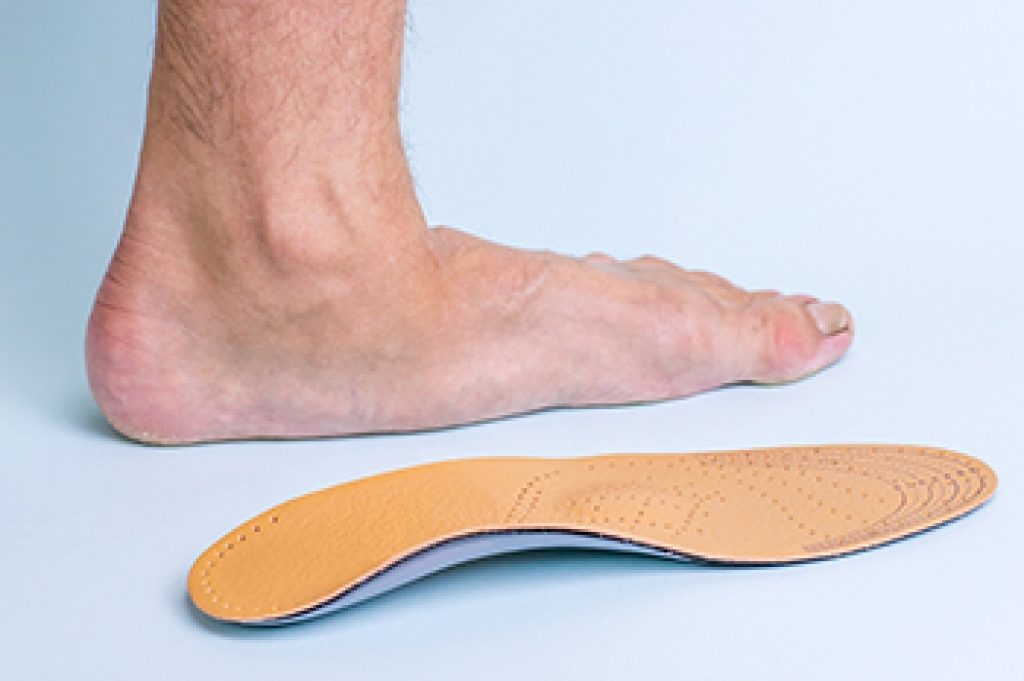
Repeated stress on the plantar fascia is the leading cause of plantar fasciitis. Running, long hours of standing, and frequent walking can place extra pressure on this tissue. Risk factors include flat feet, high arches, and a tight Achilles tendon, which is the strong cord connecting the calf muscles to the heel bone. Carrying extra body weight also increases strain on the bottom of the foot. Wearing shoes that lack proper support or do not fit correctly can add even more pressure. People between 40 and 60 years old develop this condition more frequently, although younger adults can also experience it.

A podiatrist performs a thorough examination, reviews symptoms, watches how you walk, and determines whether plantar fasciitis is causing your heel pain. This foot doctor then creates a treatment plan that matches the cause and severity of the condition. Custom orthotics help support the arch and reduce stress on the plantar fascia. Shoes that improve foot support and reduce repeated strain while walking may be suggested. Prompt diagnosis supports comfort and long-term mobility. If you have heel pain, it is suggested that you schedule an appointment with a podiatrist who can accurately diagnose and treat plantar fasciitis.

Plantar fasciitis can be very painful and inconvenient. If you are experiencing heel pain or symptoms of plantar fasciitis, contact one of our practitioners  from Columbus Podiatry & Surgery. Our practitioners can provide the care you need to keep you pain-free and on your feet.

What Is Plantar Fasciitis?

Plantar fasciitis is the inflammation of the thick band of tissue that runs along the bottom of your foot, known as the plantar fascia, and causes mild to severe heel pain.

What Causes Plantar Fasciitis?

  • Excessive running
  • Non-supportive shoes
  • Overpronation
  • Repeated stretching and tearing of the plantar fascia

How Can It Be Treated?

  • Conservative measures – anti-inflammatories, ice packs, stretching exercises, physical therapy, orthotic devices
  • Shockwave therapy – sound waves are sent to the affected area to facilitate healing and are usually used for chronic cases of plantar fasciitis
  • Surgery – usually only used as a last resort when all else fails. The plantar fascia can be surgically detached from the heel

While very treatable, plantar fasciitis is definitely not something that should be ignored. Especially in severe cases, speaking to your doctor right away is highly recommended to avoid complications and severe heel pain. Your podiatrist can work with you to provide the appropriate treatment options tailored to your condition.

If you have any questions, please feel free to contact our office located in Columbus, OH . We offer the newest diagnostic and treatment technologies for all your foot care needs.


Read more about Plantar Fasciitis

What Can Shockwave Therapy Be Used For?

Patients who undergo shockwave therapy may notice how simple and effective this type of treatment can be. It is administered by sending wave pulses to the affected area of the foot, and this may be helpful in reducing existing inflammation. Shockwave therapy can be used in treating specific foot conditions that can include Achilles tendonitis, plantar fasciitis, or ligament injuries. It is known to stimulate the formation of new blood vessels, which is helpful in promoting healing. The benefit of choosing this type of treatment can include the short amount of time necessary to complete the treatments. The need for surgery may even be eliminated. If you would like additional information on how shockwave therapy can treat certain foot conditions, please confer with a podiatrist.

Shockwave therapy is a treatment commonly used to treat various injuries and conditions, particularly plantar fasciitis in the feet. To learn more, consult with one of our practitioners from Columbus Podiatry & Surgery. Our practitioners can provide the care you need to keep you pain-free and on your feet.

Shockwave Therapy

Shockwave therapy is a new treatment option designed to treat bone conditions such as tennis elbow, shoulder pain, and others. Shockwave therapy uses high intensity sound waves that are directed to the affected tissues of the body with pinpoint accuracy. The effects are very beneficial, leading to a production of collagen fibers, eliminating inflammation.

Who Benefits from Shockwave?

Shockwave is recommended for patients suffering from heel pain and associated problems. Heel pain is a common condition which can be caused by obesity, overexertion, and spending a substantial amount of time on hard floors with your feet exposed and unsupported.

Fast and Easy

The therapy is actually a simple process that can leave patients feeling better the very next day. Shockwave therapy is not as dramatic as it sounds. It enables more blood flow to effected areas, addressing the source of the problem and allowing treatment to last for a long time.

Treatment & Recovery Time

Shockwave treatment will enable your feet to recover quickly. This is especially important since surgery is not required. It is cost effective and does not require the use of anesthesia. This treatment is a better option to surgery, since it is proven safe.

If you have any questions, please feel free to contact our office located in Columbus, OH . We offer the newest diagnostic and treatment technologies for all your foot care needs.

Read more about Treating Heel Pain with Shockwave Therapy

Get Professional Care for a Broken Foot or Ankle

Constant care and regular evaluation are important for a foot or ankle fracture. If left untreated, foot or ankle fractures can worsen over time and create more serious problems.

Don't wait to be examined if you believe you've experienced a foot or ankle fracture.

How a Podiatrist Diagnoses and Treats Morton’s Neuroma

Morton’s neuroma develops when tissue surrounding a nerve between the toes becomes thicker because of repeated pressure or irritation. The problem usually affects the space between the third and fourth toes. As the tissue thickens, it squeezes the nerve and creates pain. Many people describe the feeling as though they are standing on a small pebble or have a fold in their sock. Burning pain, tingling, and numbness are also common. Symptoms usually become worse while walking or wearing tight, narrow shoes. Removing the shoes can bring temporary relief, but discomfort frequently returns when pressure on the nerve continues. Some people notice pain even while resting after a busy day.

Several factors increase the risk of Morton’s neuroma. Shoes that squeeze the toes place extra pressure on the nerve. High-heeled shoes can also increase stress on the front of the foot. Certain foot shapes, like flat feet or high arches, can change the way pressure is spread across the foot. A podiatrist diagnoses the condition by discussing symptoms and carefully examining the foot. Gentle pressure between the toes can help locate the irritated nerve. An ultrasound or MRI scan can help confirm the diagnosis and guide treatment decisions when a clearer view of the affected area is needed.

A podiatrist creates a treatment plan that reduces pressure on the affected nerve and improves comfort. Treatment includes shoes with a wide toe area, custom orthotics, and steroid injections. These options can reduce irritation and make walking more comfortable. When symptoms continue despite treatment, surgery to remove the affected nerve can provide lasting relief. Early diagnosis helps prevent symptoms from becoming more disruptive and allows treatment to begin before pain limits daily activities. Prompt care also helps patients stay active with greater comfort and confidence. If you have symptoms of Morton’s neuroma, it is suggested that you schedule an appointment with a podiatrist for a diagnosis and appropriate treatment.

Morton’s neuroma is a very uncomfortable condition to live with. If you think you have Morton’s neuroma, contact one of our practitioners of Columbus Podiatry & Surgery. Our practitioners will attend to all of your foot care needs and answer any of your related questions.  

Morton’s Neuroma

Morton's neuroma is a painful foot condition that commonly affects the areas between the second and third or third and fourth toe, although other areas of the foot are also susceptible. Morton’s neuroma is caused by an inflamed nerve in the foot that is being squeezed and aggravated by surrounding bones.

What Increases the Chances of Having Morton’s Neuroma?

  • Ill-fitting high heels or shoes that add pressure to the toe or foot
  • Jogging, running or any sport that involves constant impact to the foot
  • Flat feet, bunions, and any other foot deformities

Morton’s neuroma is a very treatable condition. Orthotics and shoe inserts can often be used to alleviate the pain on the forefront of the feet. In more severe cases, corticosteroids can also be prescribed. In order to figure out the best treatment for your neuroma, it’s recommended to seek the care of a podiatrist who can diagnose your condition and provide different treatment options.

If you have any questions, please feel free to contact our office located in Columbus, OH . We offer the newest diagnostic and treatment technologies for all your foot care needs.
Read more about Morton's Neuroma

Running Injuries That Affect the Foot and Ankle

Foot and ankle pain while running is often the result of overuse injuries. These occur when repetitive stress exceeds the body’s ability to recover. The foot and ankle absorb significant impact with each step, making them vulnerable to strain and inflammation. Recognizing the definition of running related injuries can help individuals take preventive measures and maintain consistent activity levels without discomfort.

Symptoms can vary depending on the condition, but often include localized pain, swelling, and reduced mobility. Some runners experience a dull ache that intensifies with activity, while others feel sharp pain during specific movements. Risk factors include over-training, wearing worn-out shoes, and having biomechanical imbalances like flat feet or high arches. Inadequate recovery time between runs can also increase the likelihood of injury. These factors contribute to several common types of foot and ankle conditions seen in runners.


Plantar fasciitis involves inflammation of the plantar fascia and is typically felt as heel pain that is worse after periods of rest. Achilles tendinitis causes discomfort along the back of the ankle and may feel tight or sore during movement. An ankle sprain results from a sudden twist or roll of the joint, leading to pain, swelling, and instability. Additionally, a stress fracture is a small break in the bone that develops gradually and produces a persistent, localized pain that worsens with weight bearing. Each condition affects runners differently but is linked to repetitive strain and mechanical stress.


Preventing foot and ankle pain requires a balanced approach that includes wearing proper footwear, gradual increases in training, and attention to body mechanics. Stretching, strengthening, and rest are important components of injury prevention and recovery. Awareness of risk factors allows runners to make informed decisions about their training routines. If you enjoy running and have developed foot or ankle pain, it is suggested that you consult a podiatrist for effective treatment solutions and prevention tips.

Ankle and foot injuries are common among athletes and in many sports. They can be caused by several problems and may be potentially serious. If you are feeling pain or think you were injured in a sporting event or when exercising, consult with one of our practitioners from Columbus Podiatry & Surgery. Our practitioners will assess your condition and provide you with quality foot and ankle treatment.

Common Injuries

The most common injuries that occur in sporting activities include:

  • Achilles Tendonitis
  • Achilles Tendon Rupture
  • Ankle Sprains
  • Broken Foot
  • Plantar Fasciitis
  • Stress Fractures
  • Turf Toe

Symptoms

Symptoms vary depending upon the injury and in some cases, there may be no symptoms at all. However, in most cases, some form of symptom is experienced. Pain, aching, burning, bruising, tenderness, tightness or stiffness, sensation loss, difficulty moving, and swelling are the most common symptoms.

Treatment

Just as symptoms vary depending upon the injury, so do treatment options. A common treatment method is known as the RICE method. This method involves rest, applying ice, compression and elevating the afflicted foot or ankle. If the injury appears to be more serious, surgery might be required, such as arthroscopic or reconstructive surgery. Lastly, rehabilitation or therapy might be needed to gain full functionality in the afflicted area. Any discomfort experienced by an athlete must be evaluated by a licensed, reputable medical professional.  

If you have any questions please contact our office located in Columbus, OH . We offer the newest diagnostic and treatment technologies for all your foot and ankle needs.

Read more about Sports Related Foot and Ankle Injuries

Connect With Us

Advanced Podiatric Procedures & Services in the Franklin County, OH: Columbus (Dublin, Hilliard, Gahanna, Worthington, Westerville, New Albany) and Delaware County, OH: Powell, Lewis Center, Sunbury, Delaware areas