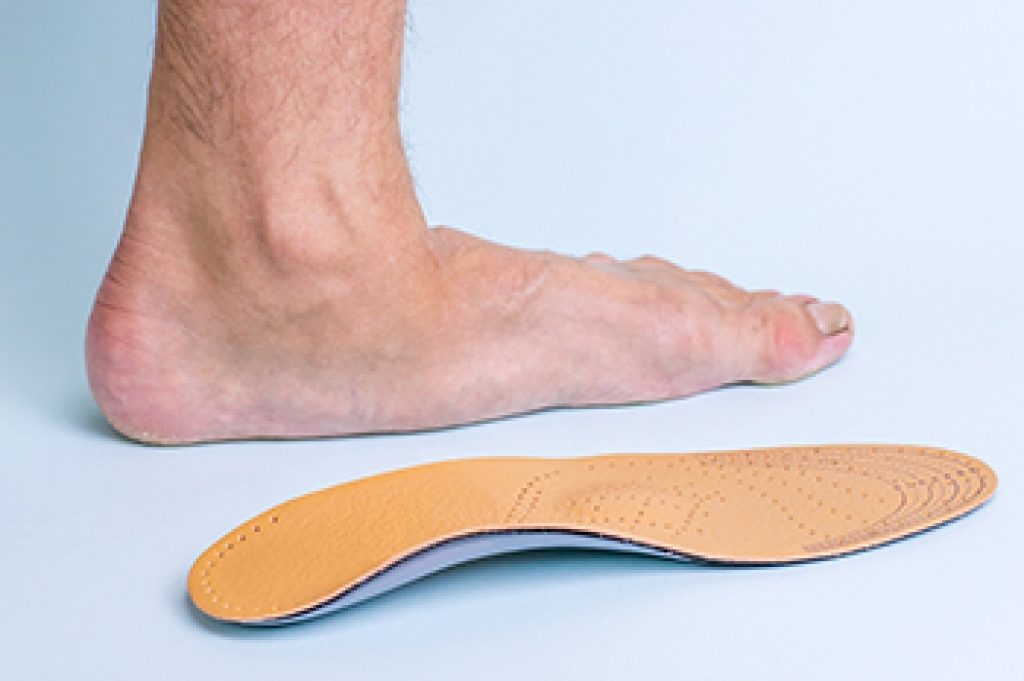
Recovery Strategies From Drop Foot

Drop foot is a condition defined by difficulty lifting the front part of the foot, which can cause the toes to drag while walking. This issue often results from weakness or paralysis of the muscles responsible for ankle dorsiflexion. It is commonly linked to nerve-related conditions and can significantly affect balance, gait, and overall mobility. Individuals with drop foot may develop compensatory walking patterns, such as lifting the knee higher than normal, which can lead to further strain on the lower body.

Several causes contribute to drop foot, including stroke, sciatica, and nerve injury. A stroke may disrupt signals between the brain and muscles, while sciatica can compress nerves that control foot movement. Direct nerve injury, especially involving the peroneal nerve, is another frequent cause. Symptoms include difficulty lifting the foot, frequent tripping, muscle weakness, and an altered walking pattern. Risk factors include underlying neurological conditions, lower back disorders, trauma, and prolonged pressure on the nerves.


Targeted exercises play an important role in improving functional mobility and strength. Calf stretch exercises help maintain flexibility and reduce tightness in the lower leg. Balance exercises are essential for improving stability and coordination, which can reduce the risk of falls. Lower back exercises may also support nerve health by reducing pressure and improving alignment. Consistent movement training can strengthen supporting muscles and enhance walking mechanics over time.


It is important to understand that early intervention and structured exercise programs can help manage drop foot and improve daily function. Addressing the underlying cause while focusing on mobility and strength can lead to better outcomes. If you have symptoms of drop foot, it is suggested you consult a podiatrist for strengthening and management tips.

Exercising your feet regularly with the proper foot wear is a great way to prevent injuries and build strength. If you have any concerns about your feet, contact one of our podiatrists from Columbus Podiatry & Surgery. Our podiatrists can provide the care you need to keep you pain-free and on your feet.

Exercise for Your Feet

Exercise for your feet can help you gain strength, mobility and flexibility in your feet. They say that strengthening your feet can be just as rewarding as strengthening another part of the body. Your feet are very important, and we often forget about them in our daily tasks. But it is because of our feet that are we able to get going and do what we need to. For those of us fortunate enough to not have any foot problems, it is an important gesture to take care of them to ensure good health in the long run.

Some foot health exercises can include ankle pumps, tip-toeing, toe rises, lifting off the floor doing reps and sets, and flexing the toes. It is best to speak with Our podiatrists to determine an appropriate regimen for your needs. Everyone’s needs and bodies are different, and the activities required to maintain strength in the feet vary from individual to individual. 

Once you get into a routine of doing regular exercise, you may notice a difference in your feet and how strong they may become.

If you have any questions, please feel free to contact our office located in Columbus, OH . We offer the newest diagnostic and treatment technologies for all your foot care needs.


Read more about Exercise for Your Feet

Why Toe Pain May Be Linked to Arthritis and Joint Inflammation

Toe pain is a common complaint that can affect daily movement, balance, and comfort. It is defined as discomfort that occurs in one or more of the toe joints, often caused by inflammation, structural changes, or underlying medical conditions. One of the most frequent causes of persistent toe pain is arthritis, which involves joint inflammation that leads to stiffness, swelling, and reduced mobility. When arthritis develops in the toes, it can interfere with walking and standing, especially if left untreated.

Symptoms of toe arthritis often begin with mild discomfort but can progress over time. Common signs include joint stiffness, redness, and a limited range of motion. Many patients report pain that worsens with activity and improves with rest. Inflammation may also cause the toes to feel warm or tender to the touch. As the condition advances, deformities or changes in toe alignment may occur, making it more difficult to wear shoes comfortably.


There are several types of arthritis that can affect the toes. Rheumatoid arthritis is an autoimmune condition that causes joint inflammation and damage. Gout is another common form, resulting from the buildup of uric acid crystals in the joint, often leading to sudden and severe pain. Psoriatic arthritis is associated with skin conditions and can affect the toes with swelling and stiffness. Infectious arthritis, although less common, occurs when bacteria enter the joint and cause inflammation. Risk factors include age, family history, obesity, prior joint injuries, and chronic conditions such as diabetes.


Understanding the cause of toe pain is essential for proper treatment and long term relief. Management may include anti-inflammatory care, footwear modification, orthotics, and lifestyle changes to reduce joint stress. Early diagnosis can help prevent further joint damage and improve mobility. If you have toe pain, it may be toe arthritis, and it is strongly suggested that you consult a podiatrist for an accurate diagnosis and effective relief and management solutions.

Toe pain can disrupt your daily activities. If you have any concerns, contact one of our podiatrists of Columbus Podiatry & Surgery. Our podiatrists can provide the care you need to keep you pain-free and on your feet.

What Causes Toe Pain?

Most severe toe pain is caused due to a sports injury, trauma from dropping something heavy on the toe, or bumping into something rigid. Other problems can develop over time for various reasons.

Toe pain can be caused by one or more ailments. The most common include:

  • Trauma
  • Sports injury
  • Wearing shoes that are too tight
  • Arthritis
  • Gout
  • Corns and calluses
  • Hammertoe
  • Bunions
  • Blisters
  • Ingrown toenails
  • Sprains
  • Fractures (broken bones)
  • Dislocations

When to See a Podiatrist

  • Severe pain
  • Persistent pain that lasts more than a week
  • Signs of infection
  • Continued swelling
  • Pain that prevents walking

Diagnosis

In many cases the cause of toe pain is obvious, but in others, a podiatrist may want to use more advanced methods to determine the problem. These can range from simple visual inspections and sensation tests to X-rays and MRI scans. Prior medical history, family medical history, and any recent physical traumatic events will all be taken into consideration for a proper diagnosis.

Treatment

Treatments for toe pain and injuries vary and may include shoe inserts, padding, taping, medicines, injections, and in some cases, surgery. If you believe that you have broken a toe, please see a podiatrist as soon as possible.

If you have any questions please contact our office located in Columbus, OH . We offer the newest diagnostic and treatment technologies for all your foot and ankle needs.

Read more about Toe Pain

Causes and Treatment of Bumps on the Sole of the Foot

Bumps on the bottom of the foot should not be ignored, especially when they cause pain or make walking uncomfortable. Some bumps result from thickened skin caused by repeated pressure or friction. Others result from growths beneath the skin or changes in the soft tissue of the foot. Common causes include plantar warts, calluses, and plantar fibromas. A plantar fibroma is a firm lump that develops in the band of tissue that supports the arch. While some bumps remain small, others grow larger and become more noticeable when standing or walking. A careful examination by a podiatrist can help determine the exact cause.

The symptoms associated with foot bumps vary depending on the condition. Some bumps feel hard and rough, while others feel smooth or rubbery. Pain can occur when pressure is placed on the area. This is especially true while walking or standing for long periods of time. Plantar warts sometimes contain small black dots and can feel tender. Calluses usually appear as thick, hardened areas of skin. Plantar fibromas often develop in the arch and may create discomfort when shoes press against them. In some cases, a bump can be accompanied by swelling, redness, or irritation. These symptoms should be evaluated by a podiatrist to rule out more serious conditions.

A podiatrist can diagnose the source of a foot bump through a physical examination and imaging studies, when necessary. Treatment depends on the underlying cause. Options include custom orthotics, medication, or removal of abnormal tissue. Plantar warts may require specialized treatment to eliminate the viral growth. Painful fibromas may need additional care to reduce discomfort. Early diagnosis is important because some bumps can become larger and interfere with normal movement. If you have unexplained or painful bumps on the bottom of your foot, it is suggested that you schedule an appointment with a podiatrist for an accurate diagnosis and effective treatment solutions.

Foot Pain

Foot pain can be extremely painful and debilitating. If you have a foot pain, consult with one of our podiatrists from Columbus Podiatry & Surgery. Our podiatrists will assess your condition and provide you with quality foot and ankle treatment.

Causes

Foot pain is a very broad condition that could be caused by one or more ailments. The most common include:

  • Bunions
  • Hammertoes
  • Plantar Fasciitis
  • Bone Spurs
  • Corns
  • Tarsal Tunnel Syndrome
  • Ingrown Toenails
  • Arthritis (such as Gout, Rheumatoid, and Osteoarthritis)
  • Flat Feet
  • Injury (from stress fractures, broken toe, foot, ankle, Achilles tendon ruptures, and sprains)
  • And more

Diagnosis

To figure out the cause of foot pain, podiatrists utilize several different methods. This can range from simple visual inspections and sensation tests to X-rays and MRI scans. Prior medical history, family medical history, and any recent physical traumatic events will all be taken into consideration for a proper diagnosis.

Treatment

Treatment depends upon the cause of the foot pain. Whether it is resting, staying off the foot, or having surgery; podiatrists have a number of treatment options available for foot pain.

If you have any questions, please feel free to contact our office located in Columbus, OH . We offer the newest diagnostic and treatment technologies for all your foot care needs.

Read more about Foot Pain

Are You Suffering From Nerve Damage?

Neuropathy is a condition that can lead to numbness or loss of sensation in the feet, but it can also cause pain. This condition is more likely to develop for those who are diabetic, obese, or with high blood pressure.

How Inflammatory Arthritis Affects the Feet

Inflammatory arthritis can affect the joints of the feet and ankles, sometimes making everyday movement uncomfortable and difficult. Because the foot contains many small joints, ongoing inflammation can lead to pain, stiffness, swelling, warmth, and tenderness, especially in the morning or after periods of rest. Some people notice discomfort in the ball of the foot, heel, toes, or ankle, while others develop changes in foot shape over time as joint damage progresses. Walking may become harder, and supportive shoes may suddenly feel uncomfortable. Since these symptoms can worsen without treatment, evaluation is important to identify the source of pain and protect joint function. Treatment may include custom orthotics, footwear guidance, supportive bracing, activity adjustments, and other therapies aimed at reducing stress on affected areas. If you have foot pain related to inflammatory arthritis, it is suggested that you visit a podiatrist for effective relief and management tips.

Arthritis can be a difficult condition to live with. If you are seeking treatment, contact one of our podiatrists from Columbus Podiatry & Surgery. Our podiatrists can provide the care you need to keep you pain-free and on your feet.

Arthritic Foot Care  

Arthritis is a joint disorder that involves the inflammation of different joints in your body, such as those in your feet. Arthritis is often caused by a degenerative joint disease and causes mild to severe pain in all affected areas. In addition to this, swelling and stiffness in the affected joints can also be a common symptom of arthritis.

In many cases, wearing ill-fitting shoes can worsen the effects and pain of arthritis. Wearing shoes that have a lower heel and extra room can help your feet feel more comfortable. In cases of rheumatoid arthritis, the arch in your foot may become problematic. Buying shoes with proper arch support that contour to your feet can help immensely.

Alleviating Arthritic Pain

  • Exercises that stretch the foot can prevent further pain and injury and increase mobility
  • Most of the pain can be alleviated with anti-inflammatory drugs, heat, and topical medications
  • Massages can help temporarily alleviate pain.

It is best to see your doctor for the treatment that is right for your needs and symptoms. Conditions vary, and a podiatrist can help you determine the right method of care for your feet.

If you have any questions please feel free to contact our office located in Columbus, OH . We offer the newest diagnostic tools and technology to treat your foot and ankle needs.

Read more about Arthritic Foot Care

Connect With Us

Advanced Podiatric Procedures & Services in the Franklin County, OH: Columbus (Dublin, Hilliard, Gahanna, Worthington, Westerville, New Albany) and Delaware County, OH: Powell, Lewis Center, Sunbury, Delaware areas