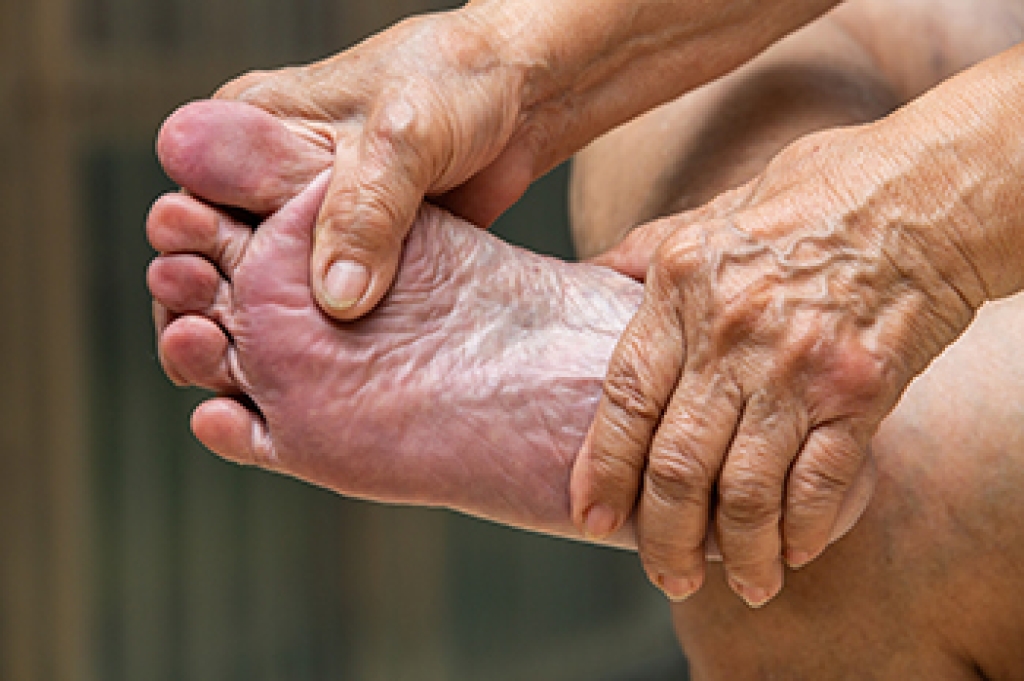
Podiatric Treatment for Painful Bunions

Bunions develop when the big toe shifts toward the other toes and a bony bump forms at its base. This change can make shoes fit differently and can cause discomfort while walking or standing. Symptoms include pain, redness, and swelling around the affected joint. Some patients also develop corns or calluses. Movement of the big toe can become limited, and the area can feel numb or have a burning sensation. A smaller bunion, called a bunionette, can form near the little toe in a similar way.

Several factors can increase the chance of developing bunions. Genetics can play an important role because people can inherit foot features linked to bunion development. These features include flat feet or loose ligaments, which connect bones and support joints. Rheumatoid arthritis and the shape of the foot bones can also contribute. A previous foot injury can be another factor. Tight shoes and high heels do not directly cause bunions, but they can encourage their development in people who are already at risk. They can also make existing bunion symptoms worse.

A podiatrist can evaluate a bunion by examining foot structure, toe position, and joint movement. The assessment can also identify pressure points and determine how the bunion affects walking. Treatment can include custom orthotics, shoe recommendations, and padding to reduce pressure on painful areas. A podiatrist can monitor changes in the bunion and address corns or calluses linked to abnormal pressure. Severe bunions can contribute to bursitis, which is inflammation of a fluid-filled cushion near a joint. They can also lead to crossover toes or other toe changes. Surgery can correct a bunion when appropriate. If you have symptoms of bunions, it is suggested that you schedule an appointment with a podiatrist for diagnosis and treatment.

If you are suffering from bunions, contact one of our podiatrists of Columbus Podiatry & Surgery. Our podiatrists can provide the care you need to keep you pain-free and on your feet.

What Is a Bunion?

A bunion is formed of swollen tissue or an enlargement of boney growth, usually located at the base joint of the toe that connects to the foot. The swelling occurs due to the bones in the big toe shifting inward, which impacts the other toes of the foot. This causes the area around the base of the big toe to become inflamed and painful.

Why Do Bunions Form?

Genetics – Susceptibility to bunions are often hereditary

Stress on the feet – Poorly fitted and uncomfortable footwear that places stress on feet, such as heels, can worsen existing bunions

How Are Bunions Diagnosed?

Podiatrists often perform two tests – blood tests and x-rays – when trying to diagnose bunions, especially in the early stages of development. Blood tests help determine if the foot pain is being caused by something else, such as arthritis, while x-rays provide a clear picture of your bone structure to your provider.

How Are Bunions Treated?

  • Refrain from wearing heels or similar shoes that cause discomfort
  • Select wider shoes that can provide more comfort and reduce pain
  • Anti-inflammatory and pain management drugs
  • Orthotics or foot inserts
  • Surgery

If you have any questions, please feel free to contact our office located in Columbus, OH . We offer the newest diagnostic and treatment technologies for all your foot care needs.

Read more about Bunions

Why Diabetic Foot Care Is Essential for Healthy Feet

Healthy feet are especially important for people with diabetes because even a small foot problem can become serious without prompt care. Diabetic foot care plays an important role in protecting mobility and overall health. Diabetes can reduce feeling in the feet because nerves become damaged. This problem is called neuropathy, which means nerve damage. Reduced feeling makes it harder to notice cuts, blisters, or pressure points before they become serious. Diabetes can also reduce blood flow, slowing healing and increasing the risk of infection. Regular foot exams by a podiatrist help identify problems early and protect long-term foot health.

A podiatrist examines the skin, nails, and circulation to look for early warning signs. Care includes checking for wounds, evaluating foot shape, and recommending shoes with proper support. A podiatrist also explains how diabetes affects the feet and monitors changes that increase the chance of ulcers. An ulcer is an open sore that can become infected without prompt treatment. Early care helps lower the risk of serious complications and supports safer movement every day.

Ignoring early foot changes can allow small problems to become much more difficult to treat. Routine visits with a podiatrist provide careful monitoring and timely treatment that protects comfort and mobility. Professional care also helps detect circulation changes and nerve damage before serious complications develop. Patients who have diabetes benefit from consistent evaluations because small injuries can quickly become larger concerns when reduced feeling delays treatment. Regular appointments also give your podiatrist the opportunity to answer questions and recommend shoe features that reduce pressure while walking. If you are diabetic and have developed foot problems,  it is strongly suggested that you are under the care of a podiatrist who can help you to manage this serious condition.

Diabetic foot care is important in preventing foot ailments such as ulcers. If you are suffering from diabetes or have any other concerns about your feet, contact one of our podiatrists from Columbus Podiatry & Surgery. Our podiatrists can provide the care you need to keep you pain-free and on your feet.

Diabetic Foot Care

Diabetes affects millions of people every year. The condition can damage blood vessels in many parts of the body, especially the feet. Because of this, taking care of your feet is essential if you have diabetes, and having a podiatrist help monitor your foot health is highly recommended.

The Importance of Caring for Your Feet

  • Routinely inspect your feet for bruises or sores.
  • Wear socks that fit your feet comfortably.
  • Wear comfortable shoes that provide adequate support.

Patients with diabetes should have their doctor monitor their blood levels, as blood sugar levels play such a huge role in diabetic care. Monitoring these levels on a regular basis is highly advised.

It is always best to inform your healthcare professional of any concerns you may have regarding your feet, especially for diabetic patients. Early treatment and routine foot examinations are keys to maintaining proper health, especially because severe complications can arise if proper treatment is not applied.

If you have any questions, please feel free to contact our office located in Columbus, OH . We offer the newest diagnostic and treatment technologies for all your foot care needs.

Read more about Diabetic Foot Care

Let the Expert Treat Your Ingrown Toenails

Ingrown toenails can be painful and can make wearing shoes or walking uncomfortable. Seek professional help if you believe you've developed an ingrown toenail and be treated safely. 

Preventing Workplace Foot Injuries With Proper Footwear

Workplace foot injuries are common in physically demanding environments such as construction sites, warehouses, and manufacturing settings. These injuries are defined as damage to the foot caused by external hazards such as falling objects, heavy equipment, or repetitive strain. Common causes include inadequate protective footwear, slippery surfaces, and prolonged standing. Symptoms may include pain, swelling, and difficulty walking. Risk factors include long work hours, improper shoe fit, and exposure to high impact or hazardous conditions.


Choosing the right footwear plays a major role in injury prevention. Construction workers often rely on steel toe boots, which are designed to protect the toes from falling objects and compression. Many safety boots also feature heat-resistant soles to protect against hot surfaces and improve durability. In addition to protection, footwear should provide comfort and allow easy movement of the toes. Proper cushioning and arch support help reduce fatigue and improve daily performance.


There are important differences between steel, alloy, and composite toe options. Steel toe boots use a strong metal cap and offer the highest level of impact protection, though they can feel heavier. Alloy toe boots are made from lightweight metals such as aluminum or titanium and provide similar protection with less weight. Composite toe boots are constructed from non-metal materials such as carbon fiber or plastic, making them lighter and ideal for environments where metal detection is required. Each option offers unique benefits depending on the job setting.


Selecting appropriate footwear and recognizing early symptoms of injury can help prevent long-term damage. Employers and workers should prioritize safety standards and proper fit. Regular inspection of footwear ensures continued protection. If you have foot injuries from work or experience consistent discomfort, it is suggested that you consult a podiatrist for effective relief tips and additional guidance on how to choose the correct shoes for your workday.

While working on the feet, it is important to take the proper care of them. For more information about working on your feet, contact one of our podiatrists from Columbus Podiatry & Surgery. Our podiatrists will treat your foot and ankle needs.

Working on Your Feet

Standing on your feet for long periods of time can cause stress and pain in your feet. Your whole body may experience change in terms of posture, back pain, bunions, callouses and or plantar warts. There are ways to avoid these conditions with proper foot care, smart choices and correct posture.

Positive Changes

Negative heeled shoe – Choosing this shoe type places the heel slightly lower than the ball of the foot. These are great for overall foot health. Find shoes that fit you correctly.

Go barefoot – Our feet were not designed to be enclosed for all hours of the day. Try to periodically expose your feet to air.

Eliminate Pain

Foot Exercises – Performing simple exercises, incorporating yoga and doing stretches are beneficial. This will allow increased blood flow to the area and muscles of the foot.

Achilles tendon – Stretching the foot out flat on the floor will relax the calf muscles and tendon. These exercises can be performed almost anywhere. Make sure you add these exercises to your daily regimen. 

With a little bit of this information and knowing more about foot health, you will notice changes. Foot stretches and proper footwear will help with pain and prevent further issues.

If you have any questions please contact our office located in Columbus, OH . We offer the newest diagnostic and treatment technologies for all your foot and ankle needs.

Read more about Working on Your Feet

Maintaining Foot Health During Pregnancy

Pregnancy brings many changes to the body, including those that can affect the feet and ankles. As a baby grows, added body weight and shifting posture place greater pressure on the feet with every step. Hormonal changes also cause ligaments to become more flexible, which may alter foot structure and the way the feet support the body. Because of these changes, some women notice that their feet become wider or their arches become lower during pregnancy. Others experience increased foot fatigue or discomfort after standing and walking. These symptoms can make everyday activities more challenging and may continue throughout pregnancy. A professional foot evaluation can help identify pregnancy-related changes early and support healthier foot function during this important time.


Pregnancy-related foot problems vary from person to person. Many women experience swelling, heel pain, or aching in the arches because of increased pressure on the feet. Others notice ankle discomfort or cramping that affects mobility. As the body adjusts to changing balance and weight distribution, walking may feel less comfortable than usual. Some women also develop changes in the way they walk, placing additional stress on the feet and ankles. Persistent pain or significant swelling should not be ignored because these symptoms may indicate problems that require professional evaluation. Addressing foot concerns early may improve comfort and help maintain normal movement throughout pregnancy.


A podiatrist specializes in diagnosing and treating foot conditions that develop during pregnancy. During an examination, the podiatrist evaluates foot structure, walking mechanics, and any symptoms affecting comfort or mobility. Treatment is tailored to each patient's needs and focuses on reducing pain, improving foot function, and supporting healthy movement throughout pregnancy. Regular podiatry care may also help monitor changes in the feet as the pregnancy progresses and identify concerns before they become more serious. If you are experiencing foot pain, swelling, or changes in your feet during pregnancy, it is suggested that you consult a podiatrist for an evaluation and appropriate treatment options.

Pregnant women with swollen feet can be treated with a variety of different methods that are readily available. For more information about other cures for swollen feet during pregnancy, consult with one of our podiatrists from Columbus Podiatry & Surgery. Our podiatrists will attend to all of your foot and ankle needs.

What Foot Problems Can Arise During Pregnancy?

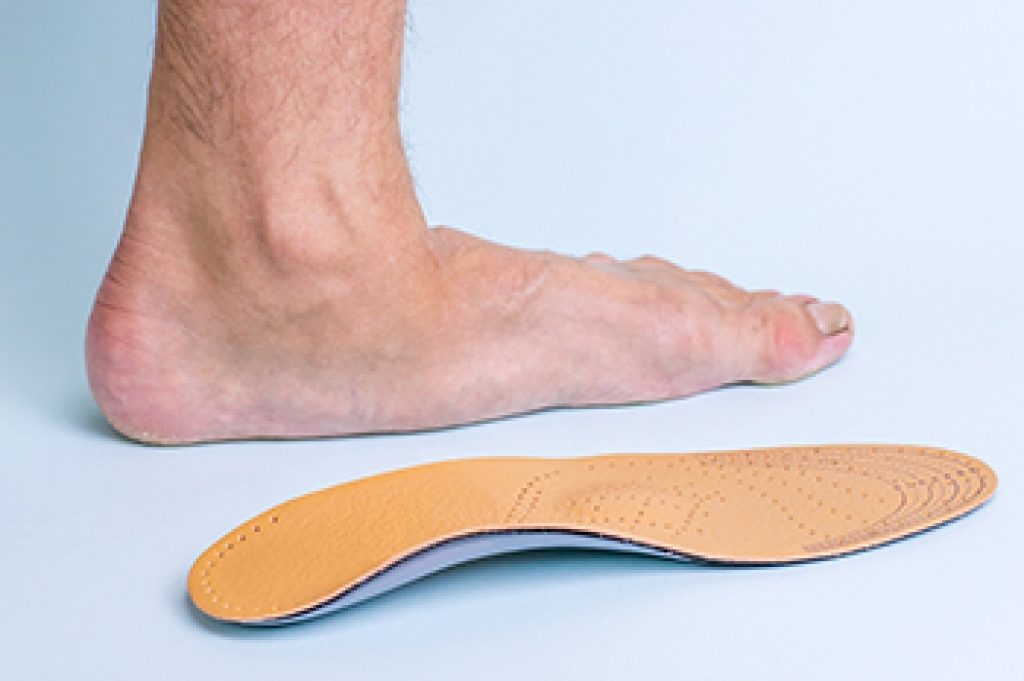
One problem that can occur is overpronation, which occurs when the arch of the foot flattens and tends to roll inward.  This can cause pain and discomfort in your heels while you’re walking or even just standing up, trying to support your baby.  

Another problem is edema, or swelling in the extremities. This often affects the feet during pregnancy but tends to occur in the later stages. 

How Can I Keep My Feet Healthy During Pregnancy?

  • Wearing orthotics can provide extra support for the feet and help distribute weight evenly
  • Minimize the amount of time spent walking barefoot
  • Wear shoes with good arch support
  • Wear shoes that allow for good circulation to the feet
  • Elevate feet if you experience swelling
  • Massage your feet
  • Get regular, light exercise, such as walking, to promote blood circulation to the feet

If you have any questions, please feel free to contact our office located in Columbus, OH . We offer the newest diagnostic and treatment technologies for all your foot care needs.
Read more about Pregnancy and Foot Health

Connect With Us

Advanced Podiatric Procedures & Services in the Franklin County, OH: Columbus (Dublin, Hilliard, Gahanna, Worthington, Westerville, New Albany) and Delaware County, OH: Powell, Lewis Center, Sunbury, Delaware areas