Foot Pain in the Arch and Toes as You Age

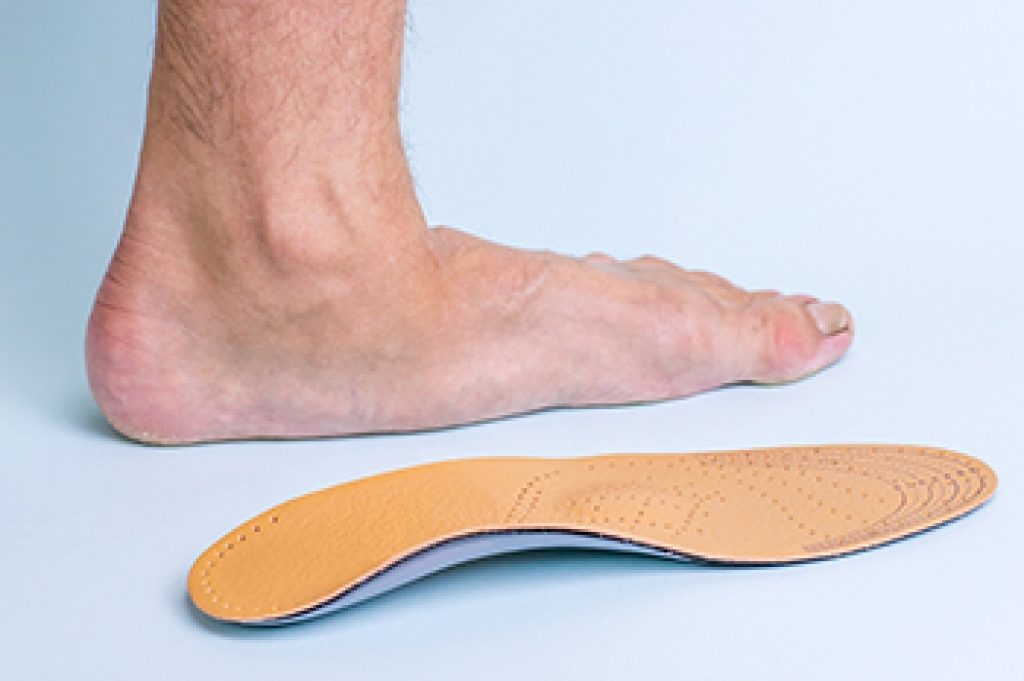
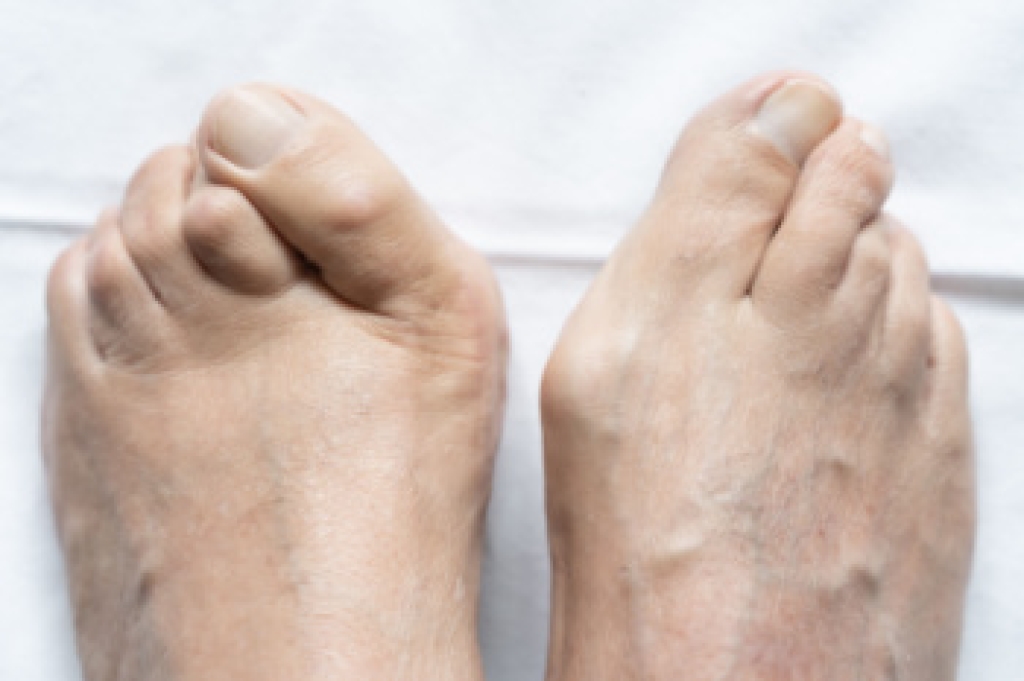
Pain in the middle of the foot and changes in the smaller toes can develop gradually, over time. These problems are more common with aging and increased body weight, which place extra pressure on the feet. Arthritis in the arch area can cause stiffness, swelling, and discomfort during walking or standing. At the same time, the lesser toes may begin to bend or shift, leading to deformities such as hammertoes or claw toes. This can create pressure points, corns, and trouble with shoes. Wearing supportive footwear, using custom orthotics, and seeking early care can help reduce strain and improve comfort. Gentle activity and weight management may also help protect foot health. If you notice ongoing pain, toe changes, or difficulty with movement, it is suggested you seek evaluation by a podiatrist for proper care and guidance.

Arthritis can be a difficult condition to live with. If you are seeking treatment, contact one of our podiatrists from Columbus Podiatry & Surgery. Our podiatrists can provide the care you need to keep you pain-free and on your feet.

Arthritic Foot Care  

Arthritis is a term that is commonly used to describe joint pain.  The condition itself can occur to anyone of any age, race, or gender, and there are over 100 types of it.  Nevertheless, arthritis is more commonly found in women compared to men, and it is also more prevalent in those who are overweight. The causes of arthritis vary depending on which type of arthritis you have. Osteoarthritis for example, is often caused by injury, while rheumatoid arthritis is caused by a misdirected immune system.

Symptoms

  • Swelling
  • Pain
  • Stiffness
  • Decreased Range of Motion

Arthritic symptoms range in severity, and they may come and go. Some symptoms stay the same for several years but could potentially get worse with time. Severe cases of arthritis can prevent its sufferers from performing daily activities and make walking difficult.

Risk Factors

  • Occupation – Occupations requiring repetitive knee movements have been linked to osteoarthritis
  • Obesity – Excess weight can contribute to osteoarthritis development
  • Infection – Microbial agents can infect the joints and trigger arthritis
  • Joint Injuries – Damage to joints may lead to osteoarthritis
  • Age – Risk increases with age
  • Gender –Most types are more common in women
  • Genetics – Arthritis can be hereditary

If you suspect your arthritis is affecting your feet, it is crucial that you see a podiatrist immediately. Your doctor will be able to address your specific case and help you decide which treatment method is best for you.

If you have any questions please feel free to contact our office located in Columbus, OH . We offer the newest diagnostic tools and technology to treat your foot and ankle needs.

Read more about How to Care for Your Arthritic Foot

Understanding Plantar Warts and Treatment Options

Plantar warts are small, rough growths that develop on the soles of the feet due to the human papillomavirus, often entering through tiny cuts in the skin. They may appear as thickened areas with black pinpoint dots, and can cause discomfort or pain while walking or standing. These warts are contagious and can spread in warm, moist environments such as locker rooms or around pools. Treatment depends on severity and persistence. Options include over-the-counter salicylic acid, cryotherapy to freeze the wart, or in-office procedures to remove the affected tissue. In some cases, multiple treatments are needed for full resolution. Avoiding barefoot exposure in public areas and keeping feet clean and dry can help prevent recurrence. If a plantar wart becomes painful or does not improve with treatment, it is suggested that you see a podiatrist for proper care.

Plantar warts can be very uncomfortable. If you need your feet checked, contact one of our podiatrists from Columbus Podiatry & Surgery. Our podiatrists will assist you with all of your foot and ankle needs.

About Plantar Warts

Plantar warts are the result of HPV, or human papillomavirus, getting into open wounds on the feet. They are mostly found on the heels or balls of the feet.

While plantar warts are generally harmless, those experiencing excessive pain or those suffering from diabetes or a compromised immune system require immediate medical care. Plantar warts are easily diagnosed, usually through scraping off a bit of rough skin or by getting a biopsy.

Symptoms

  • Lesions on the bottom of your feet, usually rough and grainy
  • Hard or thick callused spots
  • Wart seeds, which are small clotted blood vessels that look like little black spots
  • Pain, discomfort, or tenderness of your feet when walking or standing

Treatment

  • Freezing
  • Electric tool removal
  • Laser Treatment
  • Topical Creams (prescription only)
  • Over-the-counter medications

To help prevent developing plantar warts, avoid walking barefoot over abrasive surfaces that can cause cuts or wounds for HPV to get into. Avoiding direct contact with other warts, as well as not picking or rubbing existing warts, can help prevent the further spread of plantar warts. However, if you think you have developed plantar warts, speak to your podiatrist. He or she can diagnose the warts on your feet and recommend the appropriate treatment options.

If you have any questions, please feel free to contact our office located in Columbus, OH . We offer the newest diagnostic and treatment technologies for all your foot care needs.

Read more about Plantar Warts

Ankle Fracture? Don’t Wait for Treatment

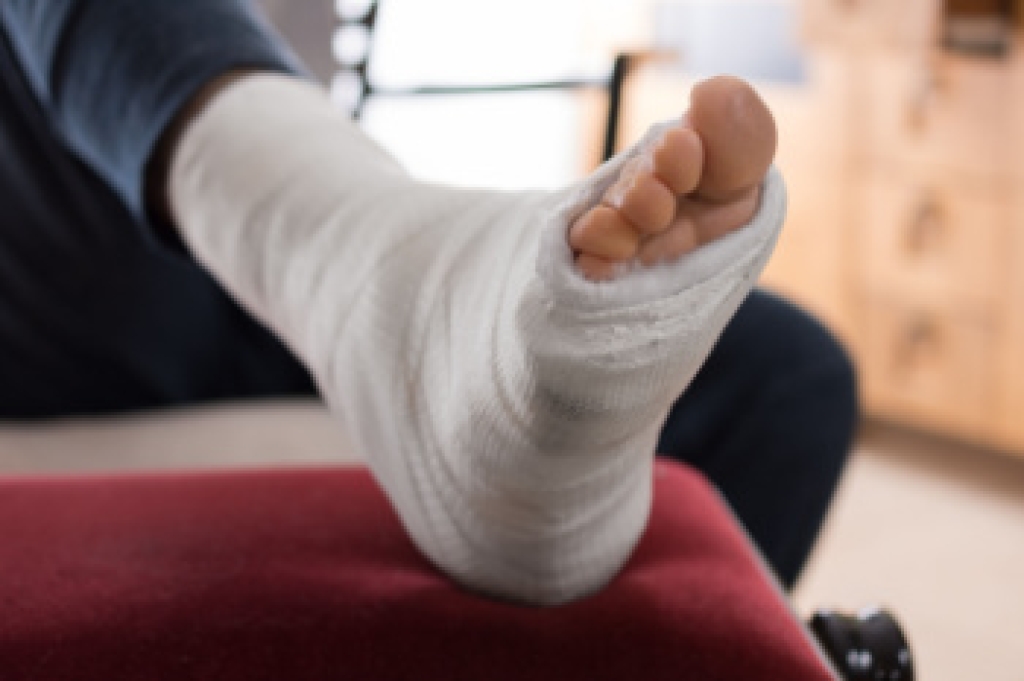
If you're suffering from an ankle fracture, professional attention shouldn't wait. Fractures may worsen over time and can make completing everyday activities incredibly difficult. See your specialist for treatment and guidance through the healing process. 

Managing Toe Pain

Toe joint pain can make walking uncomfortabl,e and may interfere with daily activities. It often develops from arthritis, overuse, injury, or structural problems in the foot. The pain may be felt in the big toe or smaller toes, and can result in stiffness, swelling, or a deep aching sensation. Some people notice redness, warmth, or a reduced ability to bend the toe, especially during push off when walking. In certain cases, sharp or sudden pain in the big toe joint may be related to gout. The joint may appear enlarged or tender, and discomfort can worsen with activity or pressure from footwear. A podiatrist can evaluate joint movement, foot structure, and possible underlying causes through an examination and imaging tests. Relief options can include wearing supportive footwear, custom orthotics, anti-inflammatory care, and targeted exercises to maintain mobility. If you have persistent toe joint pain, it is suggested that you schedule an appointment with a podiatrist for appropriate relief and treatment solutions.

Toe pain can disrupt your daily activities. If you have any concerns, contact one of our podiatrists of Columbus Podiatry & Surgery. Our podiatrists can provide the care you need to keep you pain-free and on your feet.

What Causes Toe Pain?

Most severe toe pain is caused due to a sports injury, trauma from dropping something heavy on the toe, or bumping into something rigid. Other problems can develop over time for various reasons.

Toe pain can be caused by one or more ailments. The most common include:

  • Trauma
  • Sports injury
  • Wearing shoes that are too tight
  • Arthritis
  • Gout
  • Corns and calluses
  • Hammertoe
  • Bunions
  • Blisters
  • Ingrown toenails
  • Sprains
  • Fractures (broken bones)
  • Dislocations

When to See a Podiatrist

  • Severe pain
  • Persistent pain that lasts more than a week
  • Signs of infection
  • Continued swelling
  • Pain that prevents walking

Diagnosis

In many cases the cause of toe pain is obvious, but in others, a podiatrist may want to use more advanced methods to determine the problem. These can range from simple visual inspections and sensation tests to X-rays and MRI scans. Prior medical history, family medical history, and any recent physical traumatic events will all be taken into consideration for a proper diagnosis.

Treatment

Treatments for toe pain and injuries vary and may include shoe inserts, padding, taping, medicines, injections, and in some cases, surgery. If you believe that you have broken a toe, please see a podiatrist as soon as possible.

If you have any questions please contact our office located in Columbus, OH . We offer the newest diagnostic and treatment technologies for all your foot and ankle needs.
Read more about Toe Pain

Causes and Risk Factors of Workplace Falls

Workplace falls are a common source of injury, often caused by hazards such as unguarded edges, open holes, improper guardrails, slippery conditions, and improper use of ladders, all of which increase the risk of losing balance and sustaining harm. These incidents can lead to various types of foot injuries, including fractures, sprains, bruising, and soft tissue damage, which may affect mobility and daily function. The risk of falling increases in environments with poor safety practices, inadequate training, or lack of protective equipment. A podiatrist can evaluate injuries, provide treatment, and guide recovery through personalized care and prevention strategies. If you have sustained a workplace fall or have developed foot pain, it is suggested that you consult a podiatrist who can treat various foot conditions, and offer effective fall prevention tips.

Preventing falls among the elderly is very important. If you are older and have fallen or fear that you are prone to falling, consult with one of our podiatrists from Columbus Podiatry & Surgery. Our podiatrists will assess your condition and provide you with quality advice and care.

Every 11 seconds, an elderly American is being treated in an emergency room for a fall related injury. Falls are the leading cause of head and hip injuries for those 65 and older. Due to decreases in strength, balance, senses, and lack of awareness, elderly persons are very susceptible to falling. Thankfully, there are a number of things older persons can do to prevent falls.

How to Prevent Falls

Some effective methods that older persons can do to prevent falls include:

  • Enrolling in strength and balance exercise program to increase balance and strength
  • Periodically having your sight and hearing checked
  • Discuss any medications you have with a doctor to see if it increases the risk of falling
  • Clearing the house of falling hazards and installing devices like grab bars and railings
  • Utilizing a walker or cane
  • Wearing shoes that provide good support and cushioning
  • Talking to family members about falling and increasing awareness

Falling can be a traumatic and embarrassing experience for elderly persons; this can make them less willing to leave the house, and less willing to talk to someone about their fears of falling. Doing such things, however, will increase the likelihood of tripping or losing one’s balance. Knowing the causes of falling and how to prevent them is the best way to mitigate the risk of serious injury.  

If you have any questions, please feel free to contact our office located in Columbus, OH . We offer the newest diagnostic and treatment technologies for all your foot care needs.

Read more about Falls Prevention

Connect With Us

Advanced Podiatric Procedures & Services in the Franklin County, OH: Columbus (Dublin, Hilliard, Gahanna, Worthington, Westerville, New Albany) and Delaware County, OH: Powell, Lewis Center, Sunbury, Delaware areas